
Mintz Law Firm
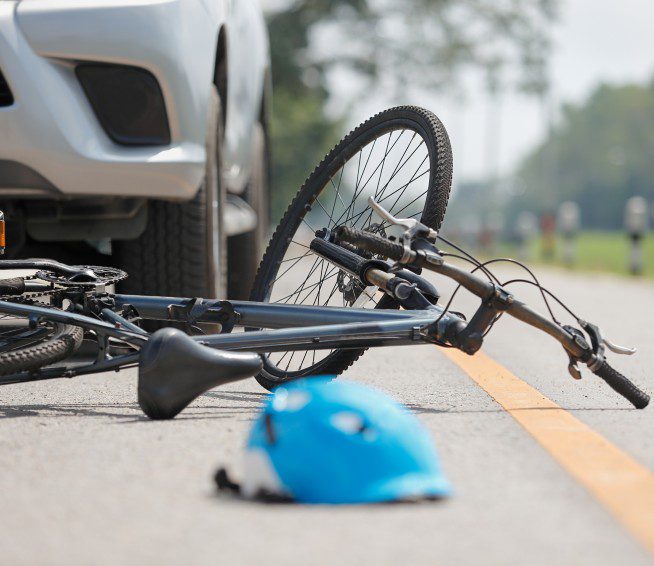
A bicycle has no metal frame, airbag, or crumple zone when a car makes contact. A routine commute or weekend ride in Denver can end with broken bones, a head injury, weeks away from work, and a damaged bike, all before an insurance adjuster has said a word about fault. Colorado gives cyclists the same right to the road as drivers, and the law sets specific duties for drivers who share it.
Our firm has served injured Coloradans for over thirty years, and our team of 9 attorneys averages 20 years of experience. At Mintz Law Firm, our auto accident attorneys handle bicycle-versus-car collisions on a contingency fee basis, so you pay no fees unless you win, and your first consultation is free. Reach out to us before you give an insurance company a recorded statement.
Colorado Laws That Protect Cyclists Around Cars
Colorado treats a person on a bicycle as a road user with the same rights and responsibilities as other vehicle drivers under C.R.S. 42-4-1412. That means cyclists may use the road, and drivers are expected to yield to them as they would to any other vehicle, including at intersections and driveways.
Drivers must also follow the Three Foot Law described in CDOT's guide for bicyclists. When passing a bicyclist, a driver must leave at least three feet of space, which may mean crossing a double yellow line when it is safe to do so. If oncoming traffic prevents it, the driver should slow down and wait behind the rider until it is clear to pass.
Cyclists have duties too. Colorado's Safety Stop law, passed in 2022, lets riders 15 and older treat a stop sign as a yield sign and a red light as a stop sign under set conditions, and younger riders may do so when accompanied by a parent or guardian. Colorado also requires a white front light, a red rear reflector, and side reflective material between sunset and sunrise.
How Common Are Serious Bicycle Crashes in Colorado?
The Colorado Department of Transportation reports that 79 bicyclists died on Colorado roads between 2020 and mid-2025, with nearly half of those deaths happening in summer. CDOT also says failure to yield the right of way is one of the top causes of bicycle crashes nationally, and that about three-quarters of bicyclist deaths occur in urban areas such as Denver, El Paso, and Boulder counties.
Common Types of Bicycle and Car Collisions
Bicycle-versus-car crashes follow certain patterns, and the pattern often shapes how fault is argued. We help cyclists with claims such as:
- Passing crashes, where a vehicle comes too close to a rider or sideswipes a bike
- Right-hook and left-turn collisions at intersections and driveways
- Dooring crashes, when a car door opens into a bike lane or traffic lane
- Hit-and-run collisions where the driver leaves the scene
- Crashes involving delivery trucks, buses, and other commercial vehicles
- Claims where the driver has limited insurance, which may involve uninsured and underinsured motorist coverage
- Wrongful death claims filed by families after a fatal crash
Riders on e-bikes and scooters face some different rules, and our team also handles electric scooter accident claims. Cyclists hurt in crashes without a vehicle, such as falls caused by road hazards, may have other bicycle injury claims to consider. We also help injured cyclists in nearby communities, including Lakewood and Aurora.
How Our Denver Attorneys Approach a Bicycle and Car Collision Case
We view our clients as people, not numbers, and we promise to stay honest and upfront with you and to keep in regular contact at every step. Early on, our attorneys work to preserve evidence such as crash reports, witness statements, medical records, photographs, damage to your bike and helmet, and video from nearby businesses or traffic cameras.
Insurance adjusters may question why a rider was in a certain part of the lane, whether a rider stopped at a sign, or whether lights were on at night. An attorney can respond to those questions for you and help document your medical bills, missed work, and the effect on your daily life before you decide on a settlement offer.
How Is Fault Determined in a Bicycle and Car Crash in Colorado?
Fault depends on the facts of the crash, including whether the driver yielded, left three feet of space, and checked before turning or opening a door, and whether the rider followed traffic signals and used lights at night. Police reports, witness accounts, video, and damage to the bike and vehicle may help show what happened.
Responsibility may extend beyond the driver. Depending on the facts, a commercial driver's employer, a delivery or rideshare company, or a government entity responsible for a road or bike lane may share responsibility. Claims against a public entity require written notice within 182 days of discovering the injury under the Colorado Governmental Immunity Act, and Colorado car insurance laws may affect which coverage applies.
Colorado follows a modified comparative negligence rule under C.R.S. 13-21-111. You may recover compensation when your share of fault is less than the share of the party you are seeking recovery from, and your compensation is reduced by your percentage of fault. For example, if a jury finds a rider 10 percent responsible, the award may be reduced by 10 percent. If the rider's share is equal to or greater than the other party's, Colorado law bars recovery.
An insurance company may argue that a rider ran a stop sign or a red light. Because the Safety Stop law allows riders to proceed in defined conditions, the question is often whether the rider met those conditions, which makes witness accounts and video especially important.
What Compensation Can a Cyclist Receive After a Car Collision?
Common injuries in these crashes include broken bones, road rash, chest injuries, and head injuries. Compensation may cover economic losses such as medical bills, rehabilitation, lost wages, reduced future earnings, and repair or replacement of your bike, helmet, and gear. It may also cover non-economic losses such as pain and suffering, emotional distress, disfigurement, permanent disability, and loss of enjoyment of life.
Serious crashes often involve traumatic brain injuries, spinal cord injuries, or other catastrophic injuries that require long-term care. When a rider dies, family members may pursue a wrongful death claim for losses such as funeral costs and lost financial support.
What Should You Do After a Bicycle and Car Crash in Denver?
Call 911, get medical care, and avoid giving a recorded statement to an insurance company until you have legal guidance. Keep your bike, helmet, and gear in their post-crash condition, because they can show how the collision happened.
If you can do so safely, photograph the scene, the position of the bike and vehicle, your injuries, and any road markings, and collect names and contact details for witnesses and the driver. Ask police for a report number, save any ride app or watch data that shows time and location, keep your medical bills in one place, and avoid signing a release before you know the full cost of your injuries.
How Long Do You Have to File a Bicycle Accident Claim in Colorado?
Colorado generally gives you three years from the date of the crash to file a lawsuit for injuries involving a motor vehicle under C.R.S. 13-80-101(1)(n). Wrongful death claims generally have a shorter deadline of two years, and claims against a public entity have the 182-day notice rule described above. A missed deadline can end your right to compensation, so it helps to speak with a lawyer soon after the crash.
Bicycle vs. Car Accident FAQs
Here are answers to questions we hear often from injured cyclists.
Contact Mintz Law Firm for a Denver Bicycle vs. Car Accident Lawyer
Our firm has helped injured Coloradans for over thirty years, and our 9 attorneys average 20 years of experience. We work on a contingency fee basis, so you pay no fees unless you win, and we keep you informed at every step of your case.
If you were hurt while riding in Denver or the surrounding area, we are ready to review what happened and explain your options. Schedule your free consultation with our team today.


contact us
schedule your free consultation