
2026 Updates to Colorado’s Personal Injury Damage Caps: What You Need to Know
Colorado law places limits on how much money injured individuals can receive in personal injury cases, and these damage caps adjust regularly to keep pace with inflation. As of January 1, 2026, new statutory caps took effect across multiple categories of personal injury claims, potentially increasing the compensation available to those hurt through someone else’s…
Read MoreWintertime Slip-and-Fall Accidents

Colorado winters bring breathtaking scenery, but they also create some of the most hazardous conditions for pedestrians. When temperatures drop and snow accumulates, sidewalks, parking lots, and building entrances become slippery danger zones where one misstep can result in serious injuries. Whether someone else is legally responsible for a winter fall depends on a specific…
Read MoreHow Colorado’s Wrongful Death Law Changes Continue to Impact Families in 2026

Colorado families grieving the loss of a loved one face not only emotional devastation but also complex legal questions about who can seek justice on their behalf. Recent changes to Colorado’s wrongful death laws have expanded who qualifies as a plaintiff, creating new opportunities for family members to hold negligent parties accountable and secure the…
Read MoreLegal Rights After Being Injured by a Snowmobile in Colorado

Snowmobiling across Colorado’s mountain terrain offers thrilling adventure, but it also carries serious risks. Each year, hundreds of snowmobile accidents result in catastrophic injuries ranging from broken bones and spinal cord damage to traumatic brain injuries and even fatalities. When these accidents occur due to someone else’s negligence or recklessness, victims face mounting medical bills,…
Read MoreHow Pre-Existing Injuries Affect Your Colorado Personal Injury Settlement

Imagine this: you’re involved in a serious accident, and the other driver’s insurance company immediately starts digging into your medical history, using a prior back injury from years ago as grounds to deny your claim or drastically reduce your settlement. This scenario happens more often than most people realize, and it can feel overwhelming when…
Read MoreColorado’s Fireman’s Rule: Why First Responders Face Different Injury Rules
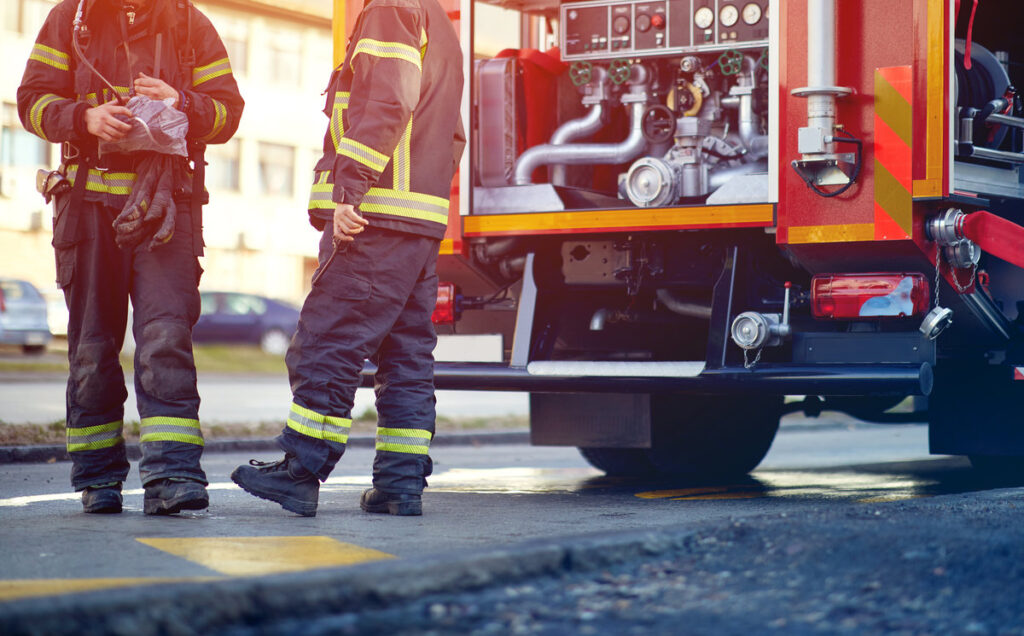
Colorado’s Fireman’s Rule bars firefighters, police officers, and other first responders from suing property owners for injuries caused by the very dangers they were called to address. This legal doctrine exists because first responders knowingly accept the risks inherent to their professions when responding to emergencies. At Mintz Law Firm, we work with injured professionals…
Read MoreHoliday Party Liability: When Social Host Laws Apply in Colorado

Holiday parties bring people together to celebrate, but serving alcohol to guests comes with legal responsibilities many hosts don’t realize they have. In Colorado, social host liability laws can hold homeowners and party hosts accountable when an intoxicated guest causes harm after leaving their event. While these laws differ significantly from commercial dram shop liability,…
Read More24 Hours to File: When Lakewood Police Don’t Respond to Your Semi-Truck Crash

If Lakewood police do not respond to your semi-truck crash, Colorado law still requires you to report it. Learn how to file your own report, what deadlines apply, and how to protect your injury claim.
Read MoreHow to Verify If the Driver Who Hit You in Lakewood Has Insurance
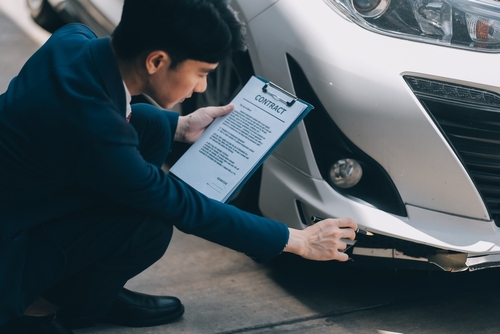
When Every Second Counts After Your Accident: Insurance Verification Matters To verify whether the driver who hit you in Lakewood has insurance, start at the scene: photograph their insurance card and license, ask the responding officer to run the vehicle through Colorado’s insurance database, and then confirm coverage with the insurer named on the card.…
Read MoreHead-On Collision Claims in Colorado: Proving Fault and Maximizing Recovery
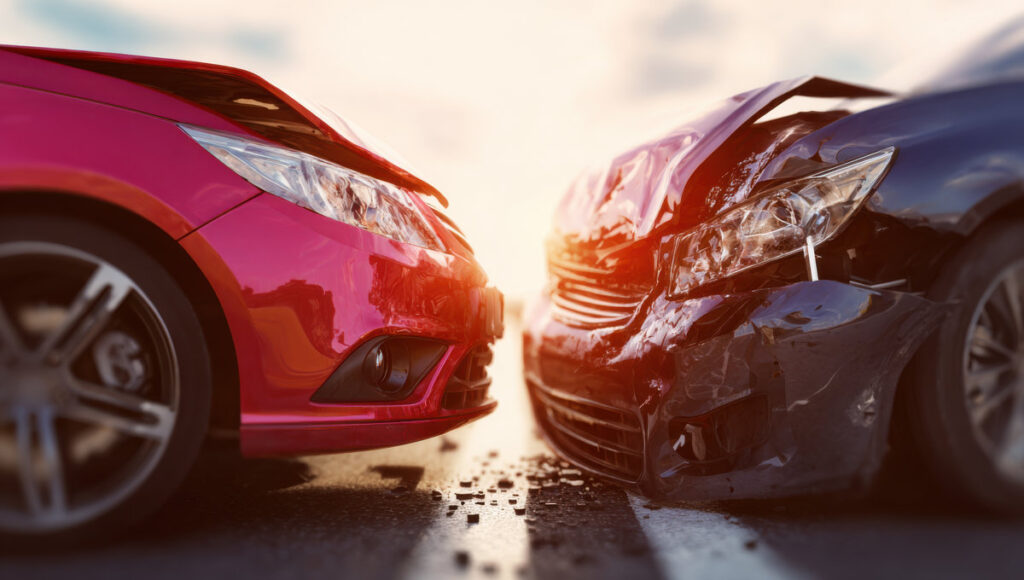
Head-on collisions rank among the most devastating types of car accidents on Colorado roads, often resulting in catastrophic injuries or fatalities. These crashes typically occur when one vehicle crosses the centerline or median and strikes another car traveling in the opposite direction, creating a combined-force impact far more severe than in other collision types. At…
Read More