
What Happens If You’re Injured in a Colorado Rideshare Accident as a Pedestrian?
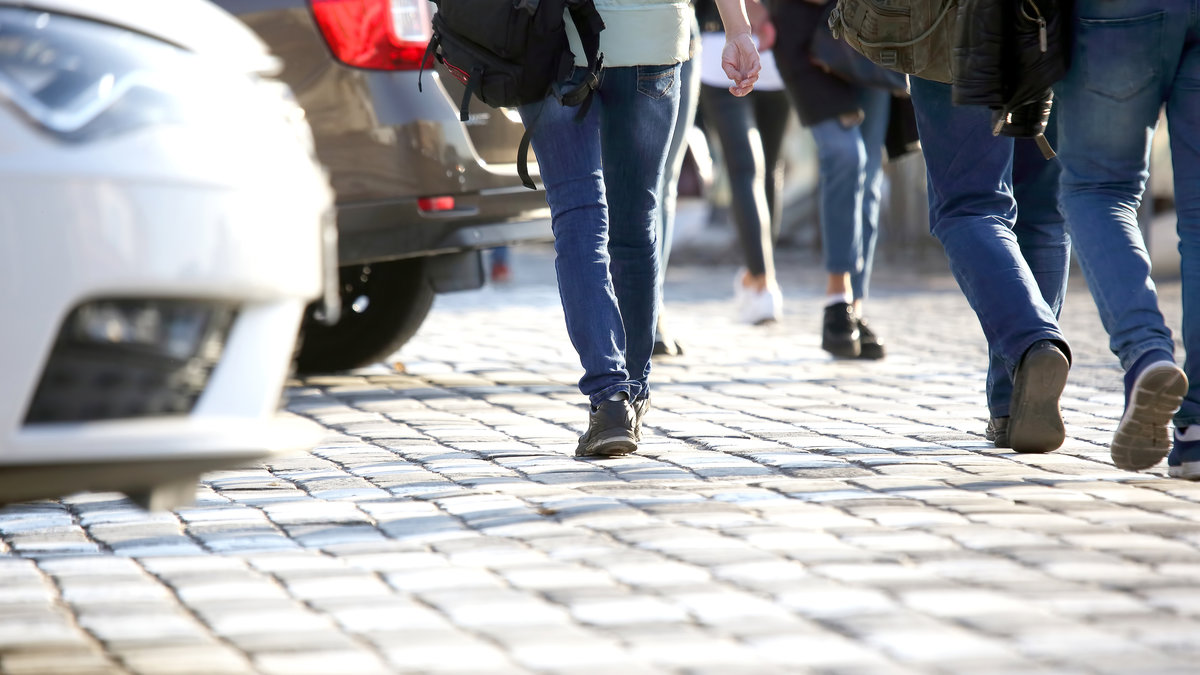
Colorado’s rideshare boom has made getting around Denver, Boulder, and the surrounding metro area easier than ever, but it has also created new risks for the pedestrians sharing the same streets and pickup zones. A driver glancing at a phone for a passenger’s exact location, a quick U-turn to reach a curb, or a rushed drop-off near a crowded sidewalk can turn an ordinary walk into a serious injury in seconds.
At Mintz Law Firm, we help pedestrians throughout Colorado understand their rights after being struck by a rideshare vehicle, including how liability works, what compensation may be available, and what steps protect a claim from the moment it happens.
Who Is Responsible When a Rideshare Vehicle Hits a Pedestrian?
Rideshare accidents involving pedestrians raise questions that traditional car accident cases do not always face. Because rideshare drivers work as independent contractors rather than employees, the company itself may try to distance itself from responsibility for the driver’s actions on the road.
Colorado law requires companies like Uber and Lyft to carry substantial insurance coverage, but the amount available often depends on the driver’s status at the moment of the crash. A driver waiting for a ride request, actively en route to pick up a passenger, and actively transporting a passenger may each trigger a different insurance policy or coverage limit.
Insurance Coverage Depends on the Driver’s Status
This layered coverage system means the investigation into a pedestrian accident claim has to establish exactly what the driver was doing in the rideshare app when the crash occurred. Screenshots, trip logs, and app data can all become relevant evidence.
Common Locations Where These Accidents Happen
Pedestrian and rideshare collisions tend to cluster around predictable locations. Understanding these hotspots can help clarify how a specific accident happened and who was in the best position to prevent it.
Passenger pickup and drop-off zones outside bars, stadiums, and busy downtown blocks see frequent near misses and collisions as drivers double park, stop in travel lanes, or pull toward the curb without checking for people crossing behind or beside the vehicle. Risk factors for these types of accidents include:
- Distracted pickups: Drivers checking the app for a passenger’s name or location instead of watching the road or sidewalk
- Double parking: Vehicles stopped in active travel lanes, forcing pedestrians to walk around them into traffic
- Poor visibility: Nighttime pickups near bars and entertainment venues where drivers may not see someone stepping off a curb
- Sudden turns: Quick maneuvers to reach a passenger’s exact pin location without checking crosswalks first
Each of these situations can create a strong basis for a claim, particularly when app data or witness accounts confirm the driver was distracted or maneuvering carelessly at the time of impact.
Steps That Can Strengthen a Pedestrian’s Claim
The moments after a rideshare accident are stressful, but a few actions can make a meaningful difference in how a claim unfolds later. Calling the police to the scene ensures a report exists that documents the vehicle, the driver, and the circumstances of the crash.
Seeking medical care right away, even for injuries that seem minor at first, creates a record that connects the harm directly to the accident. Getting the rideshare driver’s name, license plate, and insurance information matters as well, since this information can be harder to track down once the driver leaves the scene.
Pedestrian injuries from vehicle collisions remain a serious public safety concern nationwide. According to the National Highway Traffic Safety Administration, thousands of pedestrians are killed, and tens of thousands more are injured in traffic crashes across the country each year, underscoring why prompt documentation and legal guidance matter so much after a crash.
What Compensation May Cover After a Rideshare Pedestrian Accident
Pedestrians hurt by rideshare vehicles may be able to recover compensation for medical bills, lost wages, and the physical pain that follows a serious injury. Depending on the severity of the crash, this may also include costs tied to reckless driving behavior that contributed to the collision.
Because Colorado car insurance laws and rideshare company policies interact in complex ways, pedestrians often benefit from having someone review the coverage picture before accepting any settlement offer from an insurance adjuster.
Mintz Law Firm Can Help With Your Rideshare Accident Claim
Being struck by a rideshare vehicle as a pedestrian can leave you facing medical bills, missed work, and a confusing insurance process involving multiple parties. Our attorneys have collectively spent more than 300 years handling personal injury cases throughout Colorado, and we know how to navigate the layered coverage that applies to rideshare accidents.
We work on a contingency fee basis, so you owe nothing upfront, and we offer a free consultation to walk through what happened and outline your options. If you were hurt as a pedestrian in a rideshare accident, contact us to get started.