
Understanding Colorado’s UIM Settlement Clock in Lakewood
Key Takeaways: In Lakewood, the two-year deadline to pursue underinsured motorist (UIM) benefits generally begins when you receive payment on the underlying bodily injury liability claim, not on the accident date. This settlement-based rule under C.R.S. § 13-80-107.5(1)(b) works alongside a general three-year limitations period, and a three-year floor guarantees you at least three years from accrual to act. The extended two-year window applies only if the underlying liability claim was properly preserved through timely suit, settlement, or judgment. Because UIM coverage fills the gap left by an underinsured driver, it typically follows the liability settlement and cannot be reduced by setoff. These timing rules apply to both litigation and arbitration and are fact-sensitive, hinging on accrual, filing, and payment dates. Documenting when you receive settlement funds and confirming your deadline with an attorney can help avoid forfeiture of benefits.
If you settled a claim against an at-fault driver in Lakewood and your underlying liability claim was timely preserved, the two-year window to pursue your underinsured motorist (UIM) benefits generally begins when you receive payment on the underlying bodily injury liability claim. Colorado law sets a specific deadline for these claims, and missing it can jeopardize your right to recover the difference between your damages and the at-fault driver’s limited coverage. Understanding when that clock starts and how it interacts with the broader three-year rule is essential for anyone weighing a UIM claim after a crash.
Mintz Law Firm helps injured Colorado drivers navigate these deadlines and pursue the compensation they deserve. If you have questions about your situation, you can reach Mintz Law Firm online, call our team at 303-732-8919, or contact us now to discuss how the UIM timeline may apply to your claim.
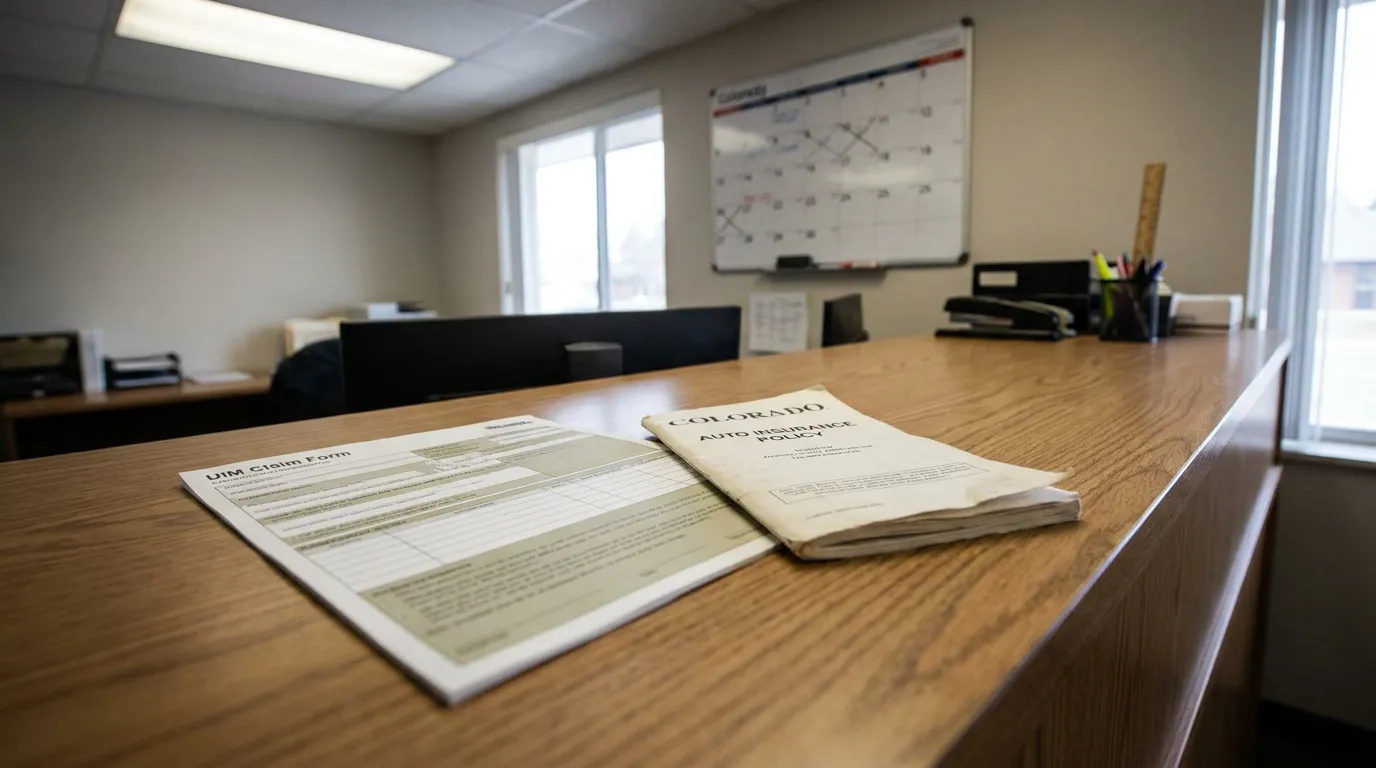
How the C.R.S. § 13-80-107.5(1)(b) UIM Statute of Limitations Works After a Settlement
The C.R.S. § 13-80-107.5(1)(b) UIM statute of limitations creates two overlapping deadlines that every Lakewood claimant should understand. The first is a general three-year period. Under C.R.S. § 13-80-107.5(1)(b), an underinsured motorist claim shall be commenced or demanded by arbitration within three years after the cause of action accrues.
The second deadline is a settlement-based rule that can extend or redefine your window. Under the same statute, if the underlying liability claim is preserved, a UIM action is timely if commenced or arbitration is demanded within two years after the insured received payment of the settlement or judgment on the underlying bodily injury liability claim. This two-year UIM deadline in Lakewood is tied directly to when money changes hands on your liability claim, not the accident date, provided the underlying liability claim was timely preserved. You can review the full statutory text through the Colorado limitation of actions statute.
These deadlines apply broadly across both courtrooms and arbitration proceedings. The limitation covers all actions or arbitrations under sections C.R.S. § 10-4-609 and C.R.S. § 10-4-610, pertaining to insurance protection against uninsured or underinsured motorists.
What “Receiving Payment” Means for Your UIM Claim
The phrase “received payment” is the pivotal C.R.S. § 13-80-107.5(10(b) payment trigger that starts the two-year count. According to the statute, the two-year clock runs from the date you actually received payment of the settlement or judgment on the underlying bodily injury liability claim, provided that claim was preserved by timely filing suit against the at-fault driver or by settlement or judgment payment within the time limits specified in sections C.R.S. § 13-80-101(1)(n) and C.R.S. § 13-80-102(1)(d).
Preserving the Underlying Liability Claim
Preservation matters because the settlement-based extension depends on a valid underlying claim. If the at-fault driver’s liability claim was not timely pursued, an insured may rely only on the general three-year period instead of the extended two-year settlement window. Courts interpret limitations exceptions narrowly, so a claimant should not assume a late or abandoned liability claim will automatically preserve the extended UIM timeline.
Why Timing Is Fact-Sensitive
Every UIM timeline depends heavily on the specific facts of the crash and claim. The date of accrual, the date suit was filed against the at-fault driver, and the date payment was received can each shift the analysis. Confirming your exact deadline with a Colorado underinsured motorist attorney can help avoid unintended forfeiture of benefits.
💡 Pro Tip: Keep documentation of the exact date you receive settlement funds, including the check date and deposit records, because that date often controls when your two-year UIM clock begins.
The Three-Year Floor That Protects Lakewood Claimants
Colorado law includes a safety net so that the settlement rule never shortens your minimum time to act. The statute expressly provides that in no event shall the insured have less than three years after the cause of action accrues within which to commence such action or demand arbitration. This floor means that even if a settlement occurs early, you retain at least three years from accrual to bring your UIM claim.
This protection prevents insurers from using an early liability settlement to compress your rights. The two-year settlement window and the three-year floor work together, and a claimant may rely on whichever period gives more time.
Why a UIM Claim Follows the Liability Settlement
UIM coverage in Colorado is designed to fill the gap left by an at-fault driver who does not carry enough insurance. This coverage shall cover the difference, if any, between the amount of the limits of any legal liability coverage and the amount of the damages sustained, excluding exemplary damages, up to the maximum amount of the coverage obtained pursuant to C.R.S. § 0-4-609. Because of this “difference in limits” structure, a UIM claim typically follows the settlement or exhaustion of the at-fault party’s liability coverage.
Importantly, pursuing UIM benefits does not require you to give up your liability recovery. Colorado prohibits insurers from reducing UIM benefits by setoff, meaning the coverage shall not be reduced by a setoff from any other coverage, including legal liability insurance, medical payments coverage, health insurance, or other uninsured or underinsured motor vehicle insurance.
Colorado also requires this coverage to be offered as part of nearly every auto policy issued in the state. The statute mandates that coverage be provided for persons legally entitled to recover from owners or operators of uninsured motor vehicles, except that the named insured may reject such coverage in writing. The protection extends to underinsured drivers as well, since uninsured motorist coverage shall include coverage for damage for bodily injury or death that an insured is legally entitled to collect from the owner or driver of an underinsured motor vehicle. You can read more about these requirements in the Colorado uninsured motorist coverage statute.
Some claimants may also have access to more than one policy before UIM coverage is triggered. Understanding how multiple policies stack can affect both recovery and the timing of when the UIM clock begins. To learn how this coverage works in practice, you can review our overview of underinsured motorist coverage in Colorado.
Practical Considerations for Lakewood Drivers
The stakes of understanding these rules are high because uninsured and underinsured drivers are common on Colorado roads. Industry data shows that 19.7% of Colorado motorists are uninsured, compared to the national average of 15.4% based on 2023 data. That elevated rate is one reason UIM coverage matters so much for Lakewood drivers.
Several practical missteps can put a UIM claim at risk:
- Assuming the deadline runs from the accident date rather than from the settlement payment date
- Overlooking policy notice or condition-precedent requirements before pursuing UIM benefits
- Settling the liability claim without confirming how it affects the two-year window
- Failing to document the exact date payment was received
Recent appellate guidance has also refined how UIM sequencing works. A Colorado Supreme Court decision held that exhaustion clauses in excess underinsured-motorist policies are enforceable, but only when triggered by a policyholder’s undisputed damages, not by whether the primary insurer has actually cut a check.
Frequently Asked Questions
1. When exactly does the two-year UIM deadline start after a settlement?
It generally starts when you receive payment on the underlying bodily injury liability claim. Under C.R.S. § 13-80-107.5(1)(b), the claim is timely if commenced or demanded within two years after that payment, provided the underlying claim was preserved.
2. Does the two-year rule ever give me less time than three years?
No, because the statute includes a three-year floor. C.R.S. § 13-80-107.5(1)(b) provides that an insured shall never have less than three years after the cause of action accrues to act.
3. Can I pursue UIM benefits and keep my liability settlement?
In many cases, yes. Under C.R.S. § 10-4-609(1)(c), UIM benefits cannot be reduced by a setoff from liability insurance or other coverage. This allows an injured person to pursue the gap between the at-fault driver’s limits and their total damages.
4. What happens if the at-fault driver had no insurance at all?
Your uninsured motorist coverage may apply instead of UIM coverage. C.R.S. § 10-4-609 requires coverage for those legally entitled to recover from uninsured drivers, subject to a written rejection. A related limitations rule under C.R.S. § 13-80-107.5(1)(a) governs the timing of uninsured motorist claims.
5. Should I confirm my deadline with an attorney?
Confirming your deadline is often prudent because these calculations are fact-sensitive. An attorney can help evaluate which period applies to your circumstances.
Protecting Your Right to UIM Benefits in Lakewood
Knowing when the two-year clock begins can make the difference between recovering full UIM benefits and losing them to a missed deadline. The C.R.S. § 13-80-107.5 UIM statute of limitations ties the extended window to the date you receive payment on your liability settlement, while the three-year floor guarantees a minimum period to act. Because outcomes depend on the specific facts of each crash and claim, careful attention to these dates and policy conditions is essential. Working with a knowledgeable 13-80-107.5 uim statute of limitations lawyer can help you avoid costly timing errors and preserve your right to compensation.
Mintz Law Firm is committed to helping injured Lakewood drivers understand and protect their UIM rights. To discuss your claim and confirm your deadlines, visit Mintz Law Firm, call our team at 303-732-8919, or reach out through our contact page to get started today.