
How Colorado’s Recreational Use Statute Affects Injury Claims
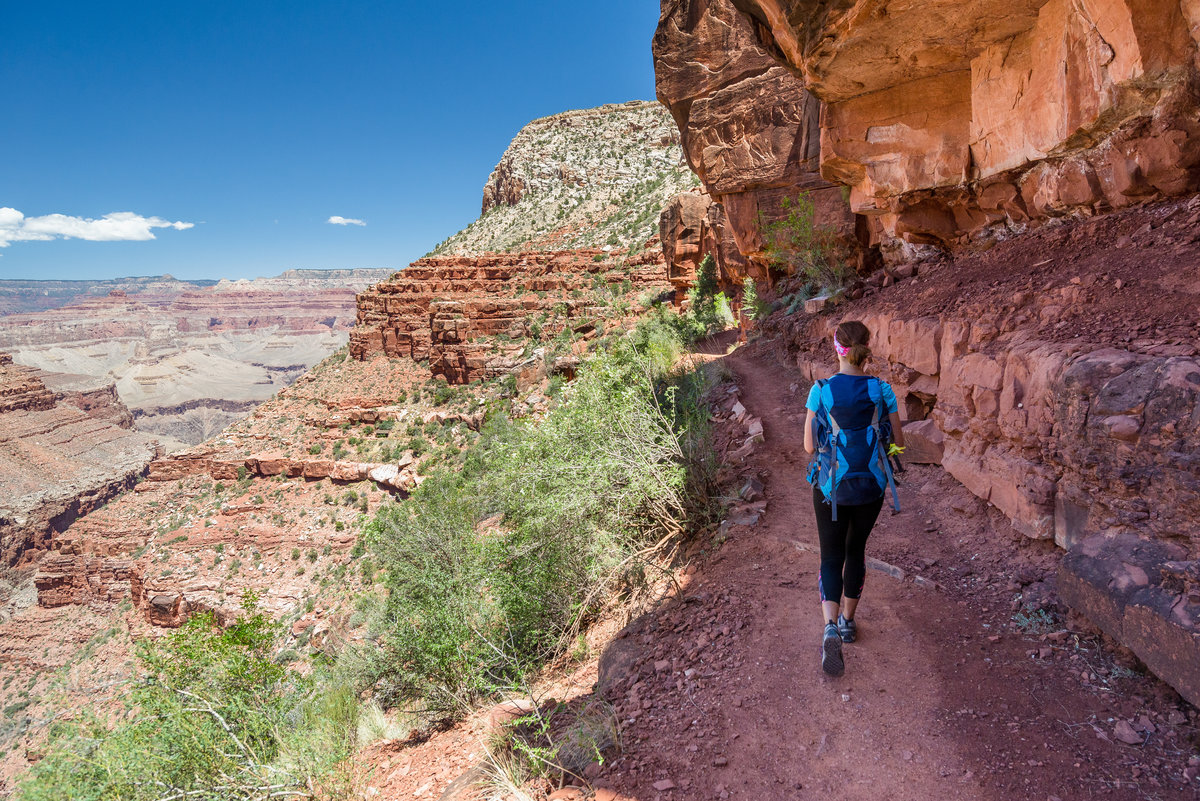
If a friend invites you onto their land to hike, fish, or camp, and you get hurt because of a hazard you never saw coming, who is responsible? Colorado has a specific law that shapes the answer, and it often surprises people who assumed a landowner is always on the hook when someone gets injured on their property.
At Mintz Law Firm, we help Colorado residents understand how the state’s premises liability laws apply to their specific situation, including the Colorado Recreational Use Statute. This law limits when a landowner can be held liable for injuries suffered during recreational activities, and knowing how it works can help you determine whether you have a valid injury claim.
What Is the Colorado Recreational Use Statute?
The Colorado Recreational Use Statute, found in the Colorado Revised Statutes, was designed to encourage private landowners to open their land for public recreation. Before this law existed, many landowners closed off trails, lakes, and open fields out of fear that an injured visitor could sue them for any accident that happened on the property.
The statute reduces that risk. When a landowner allows people onto their land for recreational purposes without charging a fee, the law limits the landowner’s responsibility for injuries that happen there. In exchange for opening the property, the landowner receives some protection from liability claims tied to ordinary hazards a visitor might encounter, such as uneven terrain or natural obstacles.
When the Statute Does Not Protect a Landowner
This protection is not absolute. Colorado law carves out important exceptions, and understanding them is often the key to a strong slip and fall or premises liability claim.
Willful or Malicious Conduct
A landowner may still be held liable if they willfully or maliciously fail to guard against or warn visitors about a known dangerous condition, structure, or activity likely to cause harm. According to the Colorado Revised Statutes, this exception exists specifically so landowners cannot ignore hazards they know could seriously hurt someone.
For example, if a property owner knows about a collapsed footbridge on a popular trail and does nothing to block access or post a warning, that choice could expose them to liability if a visitor falls through it.
Charges and Fees
The statute’s protections generally apply when a landowner does not charge visitors for access. If a fee is involved, such as an entrance charge for a private fishing pond or a paid outdoor adventure course, the landowner may lose some of the statute’s liability protections. This distinction matters a great deal in cases involving commercial recreational operations.
Common Recreational Injury Scenarios in Colorado
Colorado’s outdoor landscape means recreational injuries happen in a wide range of settings, from mountain trails to lakes to backyard gatherings. Understanding which scenarios might involve this statute can help you figure out your options after an accident.
A few common situations where this law may come into play include the following.
- Hiking trail hazards: Injuries from unmarked drop-offs, unstable rock formations, or poorly maintained paths on private land open to hikers.
- Water recreation accidents: Injuries at private lakes, ponds, or rivers where landowners allow fishing, swimming, or boating.
- Backyard recreational equipment: Injuries involving trampolines or other recreational devices on private property during a gathering.
- Off-road and ATV trails: Injuries on private land opened for off-road recreational use.
- Camping area hazards: Injuries from fire pits, uneven tent sites, or falling branches on land used for recreational camping.
Each of these situations requires a careful look at whether the landowner charged a fee, whether they knew about a dangerous condition, and whether they took reasonable steps to warn visitors. These details can make the difference between a barred claim and a valid one.
How This Law Affects Your Injury Claim
If you were hurt while hiking, fishing, camping, or enjoying another recreational activity on someone else’s land, this statute may directly affect whether you can recover compensation. A claim is not automatically barred just because the activity was recreational and no fee changed hands.
The details matter. Was there a known hazard the landowner ignored? Did the landowner receive payment in some form? Was a required warning posted or missing entirely? Answering these questions accurately often requires gathering evidence quickly because conditions on outdoor land can change or be repaired soon after an accident.
Mintz Law Firm Is Ready to Review Your Case
Since our founding, Mintz Law Firm has worked to help Colorado residents get answers after an unexpected injury changes their plans. Our founder, David J. Mintz, has represented injured people throughout Colorado for more than 35 years, and managing attorney Eric C. Staton brings over 15 years of experience to every case involving a personal or work-related injury. Together, our team has centuries of combined experience navigating Colorado’s premises liability laws, including the nuances of the Recreational Use Statute.
We work on a contingency fee basis, so you owe nothing unless we recover compensation for you, and we offer a free consultation to help you understand where you stand. If a recreational outing left you dealing with an injury and unanswered questions about who is responsible, reach out to us so we can review the details of your case.