
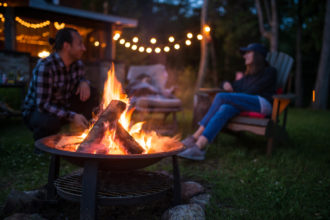
 Colorado summers bring longer days, mountain getaways, backyard barbecues, and packed lake weekends, but the same season that draws people outdoors also produces a predictable spike in preventable injuries. Sunburn and heat exhaustion, drowning and boating accidents, campfire and fireworks burns, and a rise in vehicle, bicycle, and pedestrian crashes all become more common between Memorial Day and Labor Day. Understanding these risks ahead of time is one of the most effective ways to avoid becoming another summer injury statistic.
At Mintz Law Firm, we have represented injured Coloradans for more than three decades, and every summer we see the same avoidable injuries come through our doors, from burn victims at community bonfires to families dealing with a boating collision on a mountain reservoir. This guide walks through the most common summer safety risks in Colorado, what the law says about who may be held responsible when someone else’s carelessness causes an injury, and what to do if you find yourself hurt this season. If you have questions about a specific incident, our Denver personal injury attorneys are available to review what happened and explain your options.
Sun and Heat Safety: Protecting Against UV Exposure and Heat Illness
Even on days that do not feel scorching, Colorado’s high altitude means ultraviolet exposure is stronger than at sea level. It is best to avoid direct sunlight between 10 am and 4 pm, when the sun’s rays are strongest, and to wear protective clothing and broad-spectrum sunscreen any time you are outdoors for an extended period. Knowing the basics of the UV index for your area can help you decide how much protective clothing to bring and how often to reapply sunscreen. When the index is rated moderate or higher, plan for shade breaks and extra coverage rather than assuming a cloudy sky means you are protected. Denver’s elevation alone increases UV intensity compared to lower elevation cities, and a day spent hiking or rafting at a higher mountain elevation raises that exposure even further, so travelers heading into the high country should pack more sun protection than they might use at home.
Heat poses a separate danger, particularly for children, older adults, and anyone engaged in strenuous outdoor activity. Heat exhaustion and heat stroke send many people to the emergency room every summer, and symptoms can escalate quickly if they go unrecognized. Staying properly hydrated is one of the simplest ways to reduce your risk. How much fluid your body needs depends on your activity level, the climate, and your overall health, and Mayo Clinic notes that the average healthy adult needs roughly 11.5 to 15.5 cups of total daily fluid, more if you are sweating heavily in the heat or exercising at altitude.
If you or someone in your group begins to show signs of heat-related illness, get out of the sun immediately and seek medical attention if symptoms do not improve quickly. Warning signs include:
- Heavy sweating paired with cold, clammy skin or sudden weakness
- Dizziness or confusion that comes on during outdoor activity
- A high body temperature with hot, dry skin and a rapid pulse
Taking these symptoms seriously in the moment can prevent a minor issue from turning into a medical emergency.

Water and Boating Safety on Colorado Lakes and Reservoirs
Colorado’s reservoirs, lakes, and rivers draw heavy recreational traffic every summer, and water-related incidents remain one of the most serious risks of the season. According to the Centers for Disease Control and Prevention, an estimated 4,000 fatal unintentional drownings occur in the United States each year, an average of about 11 deaths per day, and drowning remains a leading cause of death for young children.
Basic precautions reduce this risk substantially. Always designate a sober adult to watch children and inexperienced swimmers, wear a properly fitted life jacket on a boat or personal watercraft, and learn the local water conditions, including currents and posted depth warnings, before diving or swimming in an unfamiliar area. Boat operators have a legal duty to operate safely and to follow Colorado’s boating regulations, and when a distracted, impaired, or reckless operator causes a collision or injures a swimmer, that operator may be held liable for the resulting harm.
Backyard and neighborhood pools bring a different version of the same risk. A pool without a secure fence, self-latching gate, or working alarm can allow a young child to wander in unnoticed, and even a brief lapse in supervision can turn tragic. Paddleboards, kayaks, and inflatable river tubes have also grown more popular on Colorado’s waterways in recent years, and renters are not always given adequate instruction on currents, cold water shock, or how to handle sudden weather changes on the water.
If you or a family member has been hurt in a boating accident or an unsafe swimming area on someone else’s property, the surrounding circumstances matter a great deal in determining who bears responsibility. Our attorneys handle Colorado boating accident claims and can help you understand whether a property owner, boat operator, rental company, or another party may be responsible for your injuries.
Afternoon Storms, Lightning, and Hail: Colorado’s Summer Weather Hazards
Colorado’s Front Range and mountain areas are known for fast-moving afternoon thunderstorms, and hikers, cyclists, and anyone at an outdoor event should plan around them. The National Weather Service reports that lightning strikes the United States roughly 25 million times a year and causes an average of about 20 deaths annually, with many more people severely injured. Summer is the peak season for lightning activity nationwide, and Colorado’s afternoon storm pattern makes exposed ridgelines and open water especially risky.
If you hear thunder, you are already close enough to be struck, so get to a sturdy building or hard-topped vehicle right away and stay away from water, open fields, and isolated tall objects like trees. Hail is another common companion to these storms and can cause serious injury to anyone caught outdoors, as well as damage to vehicles and property. Waiting out a storm before continuing a hike, a round of golf, or a day on the water is almost always the safer choice, even when it means cutting an outing short.
Campfire, Grilling, and Wildfire Safety
Summer evenings around a campfire or backyard grill are a Colorado tradition, but both activities cause a significant number of burn injuries every year. Build campfires only in designated areas, keep a source of water or sand nearby, and never leave a fire unattended, even for a few minutes. Completely extinguish the fire before leaving the site, since a bed of coals that looks cool on the surface can reignite hours later.
Grilling carries its own hazards. Keep the grill well away from siding, deck railings, and overhanging branches, never use it inside a garage or tent, and keep children and pets at a safe distance while it is in use. Fire pits and s’mores stations are common at family gatherings, and young children are especially prone to burns from stepping too close to open flames or touching a fire poker or grate that looks cool but is still hot.
Colorado’s dry climate and increasingly long fire seasons make wildfire risk a genuine concern every summer. Pay attention to posted fire restrictions before building any open flame, particularly in national forests, state parks, and areas under a burn ban, since violating a fire restriction can carry both criminal penalties and civil liability if the fire spreads and damages property or injures someone. Burn injuries from a campfire, grill, or fireworks accident can require extensive medical treatment, and our attorneys handle burn injury claims for Colorado residents hurt by another party’s negligence.
Insect-Borne Illness and Food Safety at Summer Gatherings
Mosquitoes and ticks become more active as temperatures rise, and they carry risks that are easy to overlook next to bigger hazards like fireworks or boating. According to the Colorado Department of Public Health and Environment, the state has recorded human cases of West Nile virus every year since 2002, with the highest risk of exposure between June and early September, when mosquitoes are most active and people spend more time outdoors. Anyone who works outside or takes part in regular outdoor activities faces greater exposure. Using an EPA-registered insect repellent, draining standing water around the yard, and checking for ticks after hiking or camping in grassy or wooded areas can all reduce your risk. A fever, severe headache, or sudden confusion after time spent outdoors is worth prompt medical attention.
Backyard cookouts and picnics carry a quieter hazard as well. Food left out in warm temperatures for an extended period can allow bacteria to multiply, and undercooked meat or cross-contaminated dishes can lead to serious food poisoning. Hosts, caterers, and food vendors all have a responsibility to handle food safely, and a vendor or business whose negligent food handling causes a guest to become seriously ill may be held responsible for the resulting medical expenses. If you or a family member became seriously ill after eating at a catered event, festival, or restaurant this summer, documenting the timeline of symptoms and preserving any leftover food can help establish what happened.
Fireworks Safety and Colorado Law
Most consumer fireworks, including bottle rockets, firecrackers, and anything that explodes or leaves the ground, remain illegal for private use in Colorado, though permitted novelty items such as sparklers are allowed in some jurisdictions. Local ordinances vary, and many Front Range cities and counties add further restrictions during periods of high fire danger, so it is worth checking local rules before assuming an item is legal to use where you live.
The safest approach is to attend a professional public display rather than using consumer fireworks at home. If you do attend a display or a gathering where others are lighting fireworks, keep a safe distance once a device is lit, never attempt to relight a dud, and keep young children well back from the action. Fireworks-related injuries frequently involve burns to the hands, face, and eyes, and when an injury results from another person’s careless or illegal use of fireworks, the injured party may have grounds for a personal injury claim against whoever caused the harm.
Road Safety: Motorcycles, Bicycles, and Pedestrians in the Summer Months
Warmer weather brings more motorcycles, bicycles, and pedestrians onto Colorado roads, and drivers who are not watching for them share much of the responsibility when a crash occurs. Motorcyclists face a higher risk of catastrophic injury in a collision simply because they lack the protection of a vehicle frame, and drivers turning left across traffic or failing to check blind spots before changing lanes cause a significant share of these crashes.
Cyclists face similar dangers from drivers who pass too closely, fail to yield at intersections, or open a car door into a bike lane without checking first. Wearing a helmet, using lights and reflective gear even during daylight hours, and riding predictably can reduce a cyclist’s risk, but no amount of caution eliminates the danger posed by an inattentive driver. Our attorneys handle bicycle accident claims throughout the Denver metro area.
Pedestrians are especially vulnerable in areas with heavy foot traffic, such as trailheads, farmers markets, and downtown entertainment districts that see a summer surge in visitors. Drivers are required to yield to pedestrians in crosswalks, but distracted and speeding drivers routinely fail to do so. If you or a family member has been struck while walking, our Denver pedestrian accident attorneys can help you understand the process for pursuing compensation. If summer sun glare on the windshield played a role in the crash, our earlier guide on driving safely in the summer sun covers practical ways drivers can reduce that specific hazard.
Electric scooters and e-bikes have also become a common summer sight in Denver’s urban core, and visitors renting one for the first time are not always familiar with local traffic laws or where the devices are permitted to travel. A driver who fails to anticipate a scooter merging into traffic, or who passes too closely, can cause a serious injury even at relatively low speeds.
Pool Parties, Playgrounds, and Premises Liability for Summer Hosts
Backyard pool parties, playground visits, and neighborhood barbecues bring their own set of risks, particularly for young children. Property owners in Colorado have a legal duty to maintain reasonably safe conditions for guests, and an unsupervised pool, a broken step, a wet pool deck, or a poorly maintained play structure can create liability for the property owner if a guest is injured as a result. If your child was hurt at someone else’s home or at a public pool or playground this summer, our attorneys handle child injury cases and can help you evaluate what happened.
Summer gatherings also bring more contact between unfamiliar dogs and children, and a friendly-looking dog can still bite when startled by fireworks, crowded yards, or unfamiliar guests. Colorado imposes strict liability on dog owners under Colorado Revised Statutes Section 13-21-124, meaning an owner can be held responsible for a serious bite injury regardless of whether the dog had ever shown aggression before. If you or your child has been bitten at a summer gathering, our attorneys handle dog bite claims throughout the Denver metro area.
What to Do if You Are Hurt in a Colorado Summer Accident
No matter how carefully you plan, accidents caused by someone else’s negligence can still happen, whether that means a distracted driver, a careless boat operator, an unsupervised dog, or a property owner who ignored a hazard. If you are injured this summer, seek medical attention first, even if the injury seems minor, since some injuries do not show symptoms right away and a medical record helps document what happened. Photograph the scene if you are able, collect the contact information of any witnesses, and avoid giving a detailed statement to an insurance adjuster before speaking with an attorney.
Colorado follows a modified comparative fault system, which generally allows an injured person to recover compensation even if they were partially responsible for what happened, as long as they were not more than fifty percent at fault. Colorado law also imposes strict filing deadlines that vary depending on the type of claim involved, so it is best to speak with an attorney as soon as possible to avoid losing your right to pursue compensation.
It is also worth keeping records as the summer goes on, even for an incident that seemed minor at the time. Save any photographs, medical bills, or correspondence with an insurance company in one place, since gaps in documentation can make it harder to establish what happened months later if a claim becomes necessary.
Frequently Asked Questions About Summer Safety Risks in Colorado
Is it legal to use fireworks in Colorado during the summer?
Most consumer fireworks, including anything that explodes or leaves the ground, are illegal for private use anywhere in Colorado. Some jurisdictions allow limited novelty items such as sparklers, but rules vary widely by city and county and often become stricter during dry, high fire danger periods. The safest option is to attend a professional public display rather than using consumer fireworks at home.
Who is responsible if I am hurt in a boating accident on a Colorado lake?
Liability in a boating accident depends on the specific facts, including whether the operator was distracted, impaired, speeding, or otherwise violating boating safety rules. In many cases, the boat operator, a rental company, or another negligent party may be responsible for injuries caused by the crash. An attorney can review the details of the incident, including witness accounts and any available reports, to help determine who may be held accountable.
Can a dog owner be held liable for a bite that happens at a summer barbecue or pool party?
Yes, in most cases. Colorado law holds dog owners strictly liable for serious bite injuries under Colorado Revised Statutes Section 13-21-124, regardless of whether the dog had ever bitten anyone before. This means an injured guest may be able to pursue compensation from the dog’s owner even if the animal seemed friendly beforehand. The specific circumstances of the bite, including where it occurred and who was supervising the dog, can still affect the claim.
What should I do if I am injured on someone else’s property during a summer gathering?
Seek medical attention for your injury, then document the conditions that caused it with photographs if possible, including any hazard such as a wet pool deck, broken step, or poorly maintained play structure. Get the names and contact information of any witnesses, and avoid giving a detailed statement to the property owner’s insurance company before speaking with an attorney about whether the owner failed to maintain reasonably safe conditions.
How long do I have to file a personal injury claim after a summer accident in Colorado?
Colorado law sets specific filing deadlines that vary depending on the type of claim, such as a car accident, a premises liability case, or a wrongful death claim, and missing the applicable deadline can permanently bar your right to recover compensation. Because these deadlines and the facts that affect them can be complex, it is best to speak with an attorney as soon as possible after any summer accident to understand what applies to your situation.
What are the signs of heat exhaustion I should watch for during outdoor summer activities?
Heat exhaustion often begins with heavy sweating, cold or clammy skin, dizziness, nausea, or sudden weakness, and it can progress quickly if the person does not cool down and rehydrate. Heat stroke is more severe and can involve a high body temperature, hot and dry skin, confusion, or a rapid pulse, and it requires immediate medical attention. Moving to shade, removing excess clothing, and drinking water are reasonable first steps while waiting for help.
Mintz Law Firm has represented injured Coloradans for more than three decades, and our attorneys have handled cases arising from many of the summer accidents described above, from boating collisions and dog bites to burn injuries and bicycle crashes. We work on a contingency basis, meaning you owe no attorney fees unless we recover compensation on your behalf, and we take the time to explain your options in plain language before you decide how to proceed.
Enjoy your summer, but if an accident does happen because of someone else’s negligence, you do not have to sort out the legal and insurance details on your own. Reach out to the Mintz Law Firm team for a free consultation to go over what happened and your options.
About the Attorney
Managing Attorney, Mintz Law Firm
Eric C. Staton has been a licensed Colorado attorney for more than twenty years and has practiced with Mintz Law Firm since 2005. He focuses his practice on personal injury, workers’ compensation, wrongful death, and animal and dog bite claims throughout the Denver metro area.