
Accidents During Colorado’s Extreme Weather Events: Blizzards, Hail, and Flash Floods
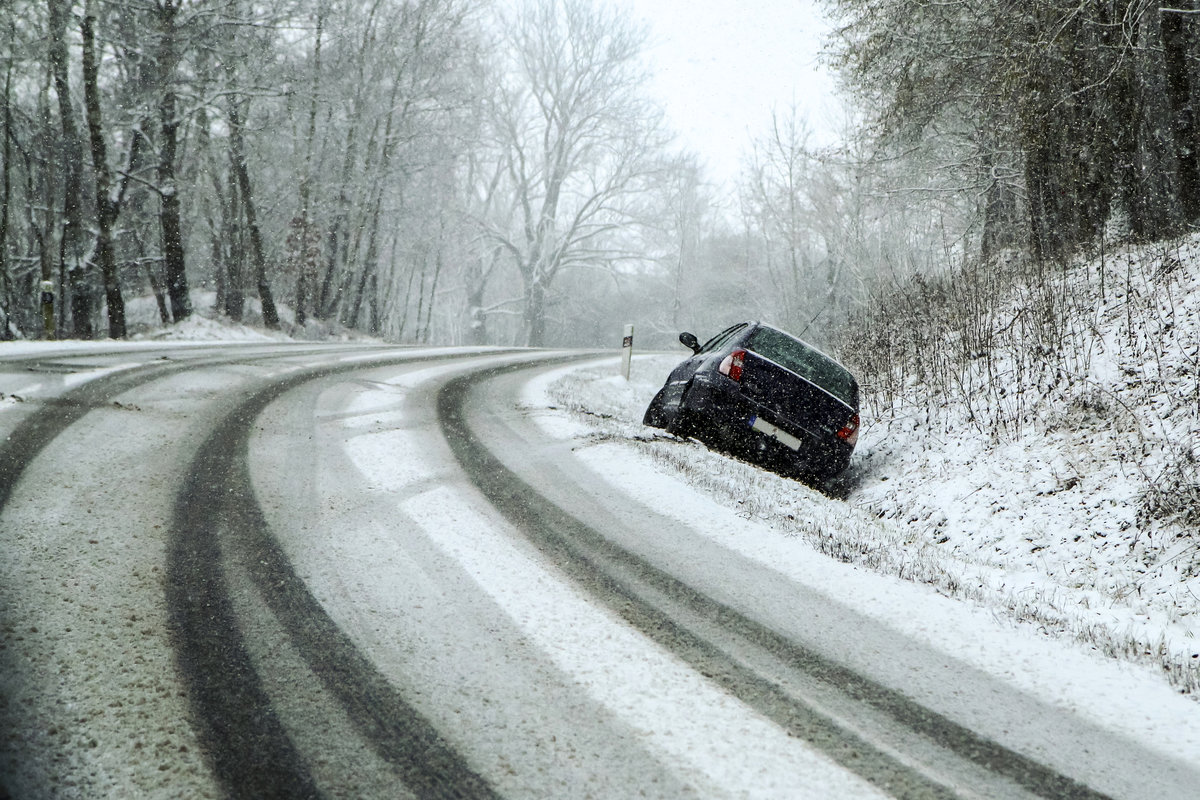
Colorado’s dramatic weather patterns create some of the most dangerous driving and pedestrian conditions in the country. Blizzards that reduce visibility to mere feet, hailstorms that shatter windshields in seconds, and flash floods that transform roads into raging torrents can turn an ordinary commute into a life-threatening situation. When extreme weather contributes to an accident, the resulting injuries can be severe, and determining liability becomes complex.
If you’ve been injured in a weather-related accident in Colorado, Mintz Law Firm can help you pursue compensation. Our team has over 300 years of combined legal experience navigating the unique challenges of personal injury cases in Colorado’s unpredictable climate. We work to protect your rights and hold negligent parties accountable, even when severe weather complicates the circumstances.
How Colorado Weather Creates Dangerous Conditions
Colorado’s location at the intersection of multiple weather systems generates sudden and extreme conditions. Blizzards can develop within hours, dropping temperatures and dumping feet of snow while winds exceed 50 miles per hour. These storms create whiteout conditions where drivers cannot see the road ahead, making car accidents and multi-vehicle pile-ups common on highways like I-70 and I-25.
Hailstorms present another distinct hazard. Colorado experiences more hail than nearly any other state, with storms producing ice chunks the size of baseballs. These projectiles don’t just damage property. They strike vehicles traveling at highway speeds, shattering windows and injuring drivers and passengers. Pedestrians caught outside during hailstorms face serious head injuries and broken bones from the impact.
Flash flooding occurs with frightening speed in Colorado’s varied terrain. Monsoon rains in summer can drop several inches of water in less than an hour, particularly in areas near mountains where runoff channels quickly. Roads become impassable, vehicles stall in rising water, and drivers attempting to cross flooded intersections may lose control. The combination of moving water and debris creates catastrophic injury risks for anyone caught in the flood path.
Legal Liability in Weather-Related Accidents
Weather does not eliminate liability for accidents. Colorado law recognizes what drivers and property owners should reasonably do to maintain safety during extreme conditions. If someone fails to take appropriate precautions or drives recklessly despite weather warnings, they may be held liable for resulting injuries.
Drivers have a duty to adjust their behavior based on conditions. This means reducing speed during snowstorms, maintaining greater following distances when roads are icy, and pulling over when visibility drops dangerously low. A driver who maintains highway speeds during a blizzard and causes a rear-end collision may be found negligent despite the weather. Similarly, property owners must address hazards created by storms, such as clearing ice from walkways or fixing damaged drainage that contributes to flooding.
Government entities and contractors also face potential liability. If inadequate road maintenance, poor drainage design, or failure to post warnings about dangerous conditions contribute to an accident, injured parties may have grounds for a premises liability claim. These cases require careful investigation to establish what parties knew about the hazard and what steps they should have taken to prevent injuries.
Challenges in Proving Weather-Related Injury Claims
Weather-related accident cases require substantial evidence to overcome the defense argument that weather alone caused the incident. Insurance companies frequently claim extreme conditions made accidents inevitable, attempting to deny or minimize compensation. Successful cases depend on proving the defendant’s specific actions or failures increased the danger beyond what the weather alone created.
Documentation becomes critical in these situations. Police reports, weather service data, photographs of road conditions, and witness statements all help establish the circumstances. Expert analysis of vehicle damage, skid marks, and impact patterns may be necessary to demonstrate how driver behavior or property conditions contributed to the accident beyond the weather’s effects.
Medical records linking injuries to the specific accident also matter significantly. Prompt medical attention after a weather-related accident creates a clear timeline and documents the extent of harm. Delayed treatment gives insurance companies opportunities to argue that injuries resulted from other causes.
Get Legal Help From Mintz Law Firm After a Weather-Related Accident
Colorado’s extreme weather creates complex legal questions about accident liability and injury compensation. Our attorneys at Mintz Law Firm have helped thousands of injured clients recover damages in challenging cases where weather played a role. Founder David J. Mintz brings more than 35 years of experience representing injured people throughout Colorado, while managing attorney Eric C. Staton contributes over 15 years helping victims secure the compensation they deserve.
We work on a contingency fee basis, so you pay no attorney fees unless we recover compensation for you. Our team has secured over $20 million annually for clients since 2016, and we may be able to help you pursue damages for medical expenses, lost wages, pain and suffering, and other losses from your weather-related accident. Contact us today to schedule your free consultation and learn how we can support your recovery.