
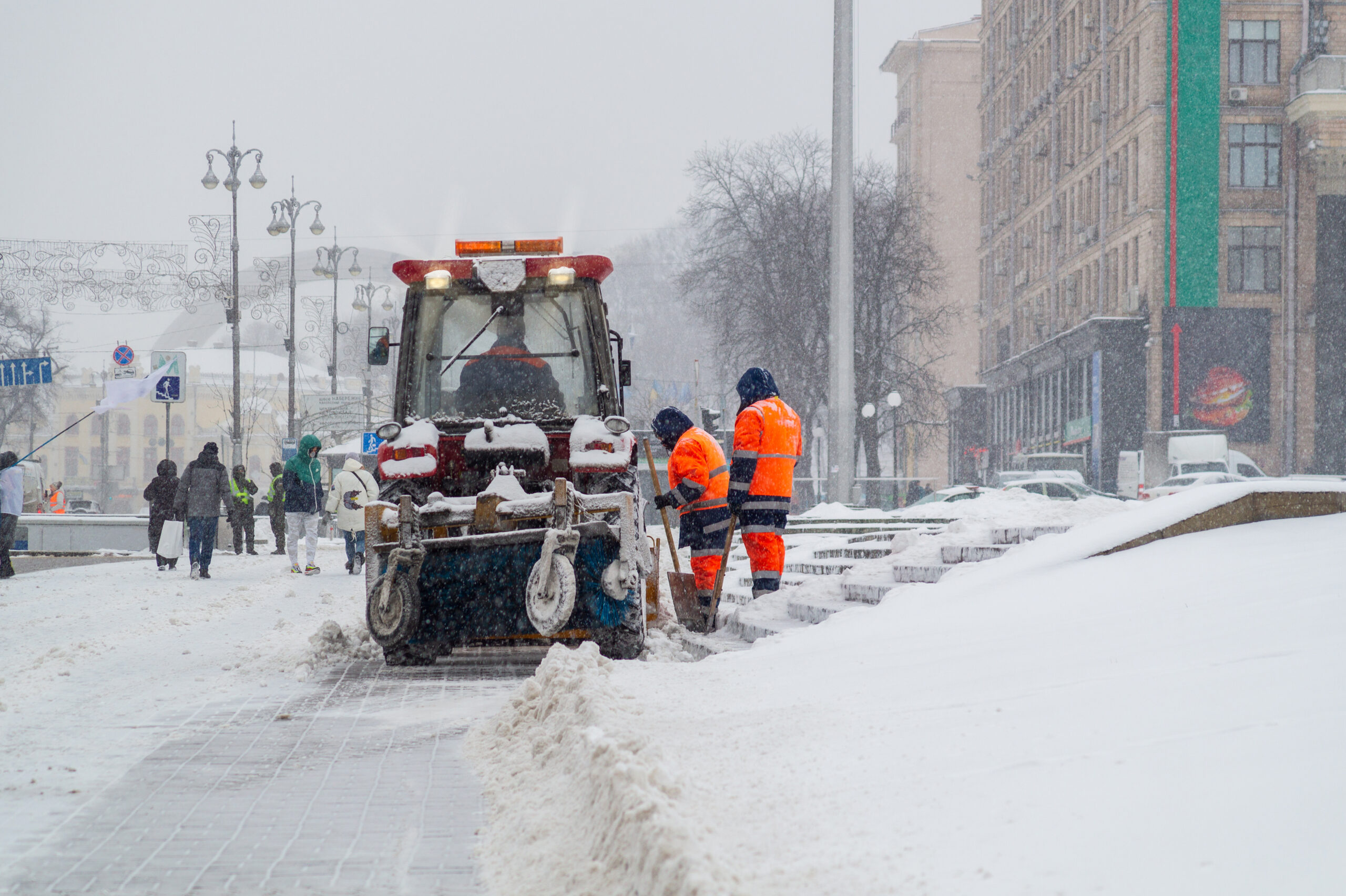
Colorado passed a law that extends protections against extreme heat and cold to workers in every industry, and it arrives just as winter weather returns to job sites statewide. The law focuses on data collection and future prevention plans, so it does not rewrite how a workers’ compensation claim works. If cold weather or icy conditions injured you at work, you may still be able to seek benefits, and careful records may matter more now.
Mintz Law Firm helps injured Colorado workers pursue workers’ compensation claims and get the medical care they need. You deserve clear answers about your rights, especially when an injury keeps you from the work you rely on. We break down what the new law does, how it affects your claim, and which steps may help this winter.
What House Bill 26-1272 Changes for Colorado Workers
Colorado’s governor signed House Bill 26-1272, titled Extreme Temperatures Worker Protections, on June 4, 2026, and the law took effect August 12, 2026. Before this law, Colorado’s heat rules covered only agricultural workers, and no cold-weather rules applied to any worker. The new law reaches indoor and outdoor workers in every industry and addresses both heat and cold. Its sponsors describe the law as a first step toward evidence-based worker-safety policies.
The state’s Department of Labor and Employment must begin collecting data on temperature-related injuries, illnesses, and emergencies at worksites by January 15, 2027. The law does not yet set specific temperature limits or required break schedules for workers outside agriculture. Instead, the department must develop a model prevention plan by July 1, 2028. The plan must include written procedures for monitoring workplace conditions, training workers, and providing relief from harsh temperatures.
How the New Law Connects to Workers’ Compensation
The department must also work with the Division of Workers’ Compensation and the Center for Improving Value in Health Care to gather information on workers’ compensation claims involving temperature-related injuries. In plain terms, your claim may become part of the state’s data on cold and heat injuries. That tracking is meant to help the state build safer workplace policies over time. Clear incident reports and complete medical records help ensure your injury is recorded accurately.
Under Colorado workers’ compensation laws, benefits generally depend on whether the injury happened at work, not on who was at fault. Injuries tied to winter work, such as frostbite, hypothermia, and winter slip-and-fall accidents, may be covered if they happen on the job. Depending on your injury, benefits may include medical care and payments for time away from work.
Steps to Protect Your Claim After a Cold Weather Injury
Cold, wind, and ice can cause frostbite and hypothermia, and wet or frozen walkways increase the risk of falls, especially during early-morning and overnight shifts. Winter work carries added hazards on construction sites and for utility workers, delivery drivers, snow removal teams, and anyone else who works outdoors.
If you are hurt, these steps may help strengthen your claim:
- Report the injury to your supervisor as soon as you can, and put the report in writing
- Note the temperature, how long you worked outside, and whether warm-up breaks were available
- Get medical care quickly, keep every record, and ask whether you can see your own doctor for a work injury
- Save photos, texts, and schedules showing your working conditions
- Tell every medical provider the injury happened at work so the records show it
Detailed notes like these may help show what happened and when. Because the state is set to track temperature-related injuries, accurate records may matter even more in the months ahead. If conditions feel unsafe, tell your supervisor so you have a record of raising the concern.
Contact Mintz Law Firm About Your Work Injury Claim
Mintz Law Firm has been serving injured clients for more than 30 years, and our 12 attorneys bring an average of 20 years of experience to your case. We keep things personal, stay in regular contact, and treat you as a person, not a number. We know how to work with the available insurance coverage so you can get the medical treatment you need.
Our team provides personal attention, fast action, and aggressive advocacy for every client. Because we work on a contingency fee basis, you pay no fees unless you win financial compensation for your injuries or losses, and consultations are free. If a cold-weather injury has affected your work or health, contact our firm to schedule a consultation.