T-Bone Intersection Accidents: Colorado’s Traffic Signal Evidence Rules
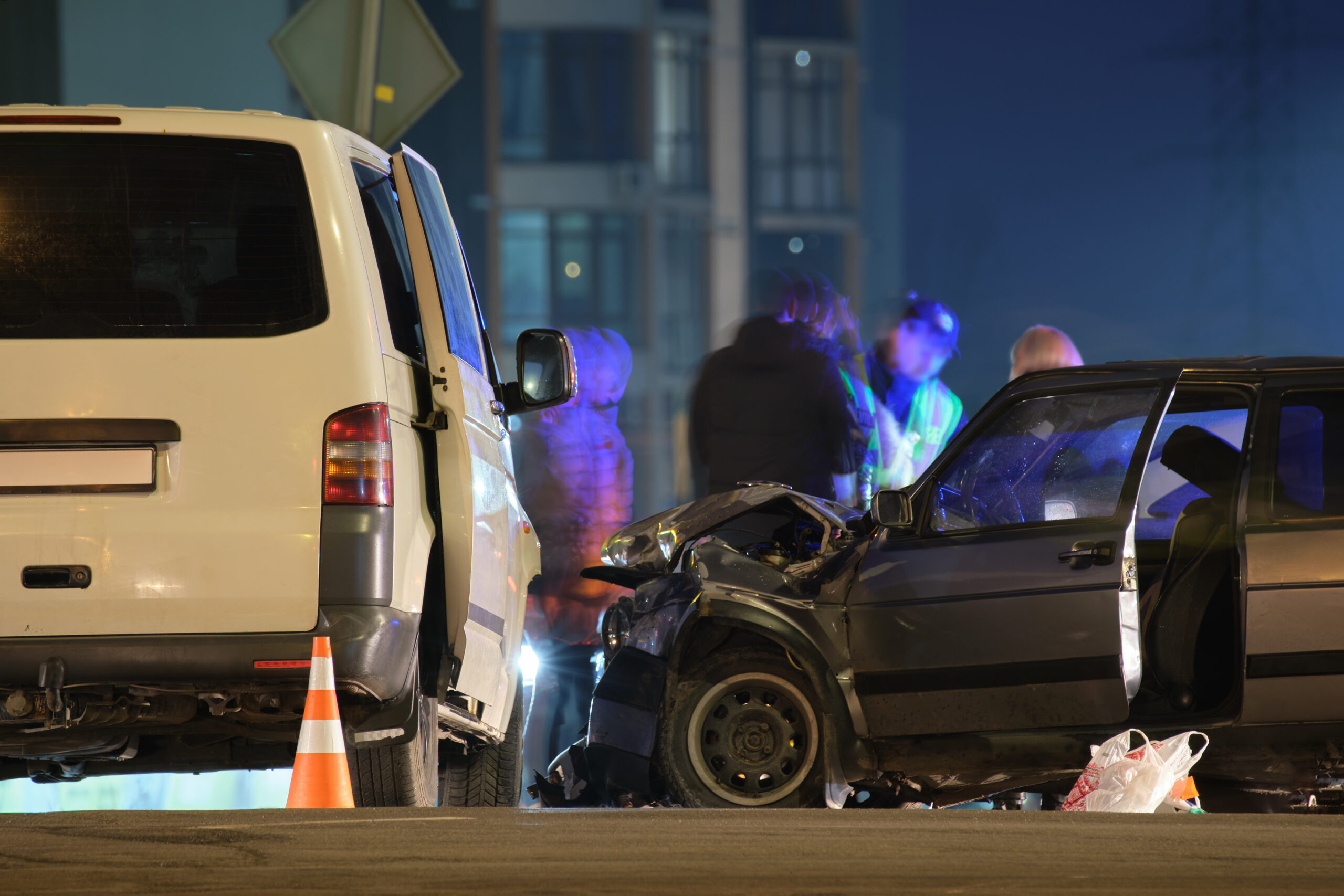
T-bone accidents, also called side-impact or broadside collisions, are among the most dangerous types of intersection crashes because they often leave the vehicle occupant on the impact side with little protection from the crumple zones that typically absorb crash force. These accidents almost always come down to a single core question: who ran the red light or failed to yield? Answering that question fairly and accurately depends heavily on evidence, and in Colorado, traffic signal evidence plays a central role in how these cases are resolved.
At Mintz Law Firm, we handle auto accident cases throughout Colorado, and T-bone collisions at intersections are among the most contested cases we see because both drivers frequently claim they had the green light. Understanding how evidence is gathered and used in these disputes is critical to building a successful claim.
Why T-Bone Accidents Are So Often Disputed
Unlike a rear-end collision, where fault is usually clear because the trailing driver is almost always responsible, T-bone accidents frequently involve two drivers with opposing accounts of what happened. Both parties may genuinely believe they had the right of way, making these cases some of the most fact-intensive disputes in auto accident litigation.
Types of Traffic Signal Evidence Used in Colorado
Because eyewitness memory alone is often unreliable, especially in a fast-moving, high-stress event like a T-bone collision, several other forms of evidence typically come into play when reconstructing what happened at the intersection.
Traffic Camera Footage
Many major Colorado intersections, particularly in Denver and other metro areas, are equipped with traffic cameras. Footage from these cameras, when available, can provide a definitive account of which driver had the green light and which ran the red. Because footage retention periods vary and recordings can be overwritten within days or weeks, requesting this evidence quickly after a crash is essential.
Red Light Camera Data
Intersections equipped with red light enforcement cameras generate timestamped photo or video evidence specifically designed to document signal violations. If the intersection where your accident occurred has this technology, it may provide some of the clearest available evidence of fault.
Signal Timing Records
Traffic engineers maintain signal timing data for intersections, which can establish how long each light phase lasts. This information can be used alongside witness accounts and physical evidence to reconstruct the sequence of events with greater precision.
Vehicle Data Recorders
Many modern vehicles are equipped with event data recorders, sometimes called “black boxes,” that capture speed, braking, and other data in the moments before a collision. This data can help establish each driver’s speed and braking behavior as they approached the intersection, which is often relevant to determining fault even when signal status is contested.
Physical Evidence and Accident Reconstruction
The damage pattern on both vehicles, skid marks, and the final resting position of each vehicle can all be analyzed by an accident reconstruction expert to help determine the sequence of events, including speed and angle of impact, which can support or contradict each driver’s account.
How Colorado’s Comparative Fault Law Applies
Colorado follows a modified comparative negligence rule, meaning an injured party can still recover damages even if they were partially at fault, as long as their share of fault does not exceed 50%. However, any compensation awarded is reduced by the injured party’s percentage of fault. This makes strong traffic signal evidence especially valuable in T-bone cases, since it can directly affect how fault is apportioned and how much compensation an injured party ultimately receives.
What to Do After a T-Bone Accident
If you are involved in a T-bone collision, take note of the intersection, whether traffic cameras are visible, and any nearby businesses that may have surveillance footage covering the intersection. Get contact information from any witnesses immediately, since their accounts may be needed before memories fade. Our negotiation tips resource also covers how evidence like this factors into settlement discussions once a claim moves forward.
Contact Mintz Law Firm After a T-Bone Accident
Because T-bone accidents so often come down to a dispute over who had the right of way, having attorneys who know how to gather and use traffic signal evidence effectively can make a significant difference in your case. Our team has over 300 combined years of experience investigating and litigating Colorado auto accident claims.
If you were injured in a T-bone collision, don’t wait to preserve the evidence that can prove your case. Contact Mintz Law Firm today for a free consultation.