
What Colorado Drivers Should Know About Gap Insurance After a Total Loss
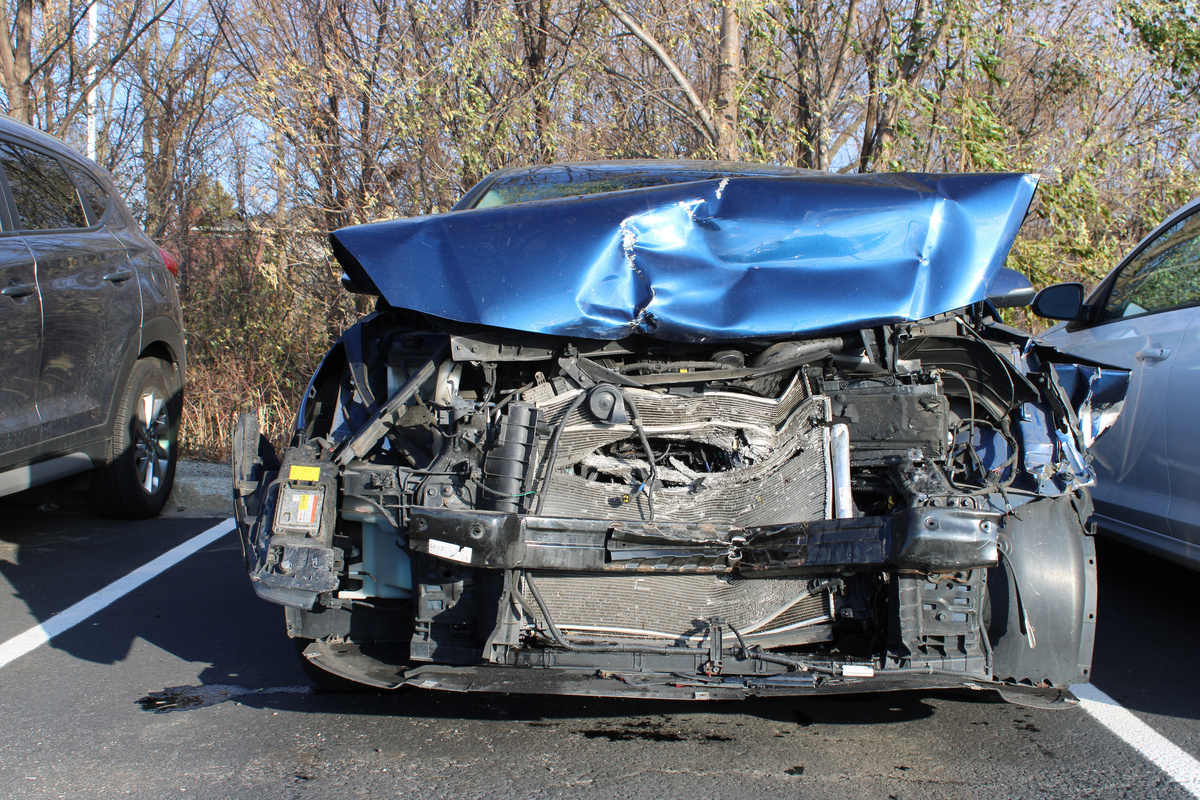
Your car is totaled after a collision, and instead of getting financial relief, you’re handed a bill for thousands of dollars you still owe on your car loan. This is the gap insurance gap, a financial trap that blindsides drivers across Colorado every year, leaving them on the hook for a balance their insurance settlement never covers. Understanding how gap insurance works before a total loss occurs can be the difference between walking away financially whole and struggling to pay for a vehicle you can no longer drive.
If you’ve been involved in a serious accident that resulted in a total loss, the attorneys at Mintz Law Firm are here to help you understand your rights. Our Denver car accident attorneys have helped injured Coloradans recover compensation and navigate complex insurance disputes for over 30 years, with $20 million or more recovered for clients annually. We view our clients as people, not numbers, and we’re committed to standing beside you every step of the way.
What Is Gap Insurance and Why Does It Matter?
When a vehicle is declared a total loss after a crash, your standard auto insurance policy pays out the vehicle’s actual cash value (ACV) at the time of the accident. The problem is that cars depreciate quickly from the moment they’re driven off the lot, and that ACV payout often falls short of what you still owe your lender. Gap insurance, short for Guaranteed Asset Protection, bridges the difference between what your insurer pays out and the remaining balance on your car loan or lease.
In Colorado, where vehicle financing terms frequently stretch five to seven years and depreciation hits hardest in the early months of ownership, this coverage gap can easily reach several thousand dollars. Colorado follows a threshold-based total loss rule, meaning a vehicle is declared a total loss when the cost to repair it exceeds a certain percentage of its pre-accident fair market value.
Once that determination is made, the insurer issues a settlement check for the ACV, but your loan or lease obligation does not automatically disappear with it. Gap insurance is a supplemental product, meaning it works on top of your comprehensive or collision coverage, and it does not cover your deductible, missed payments, or carry-over balances from a previous vehicle.
Does Colorado Law Require Gap Insurance?
Colorado does not mandate gap insurance under its Colorado car insurance laws. The state requires minimum liability coverage, and while lenders and leasing companies may require collision and comprehensive coverage, gap insurance remains optional from a legal standpoint. However, “optional” does not mean it’s not important. Drivers who financed their vehicle with a small down payment, chose a long loan term, or are upside down on their financing are particularly vulnerable to a significant gap between ACV and loan balance.
Colorado drivers should also know that gap insurance can be purchased from multiple sources: through the dealership at the time of purchase, directly from an auto insurer, or as a standalone policy from a financial institution. Consumers should carefully review all policy coverage terms to understand exactly what is and is not covered following a total loss event. Dealer-sold gap products are often much more expensive than those offered directly through insurers, so it pays to compare and shop around before signing.
What Happens When Another Driver Causes the Total Loss?
If another driver is at fault for the accident, their liability insurance should cover your vehicle’s ACV. However, if that driver is uninsured or underinsured, their policy may not be sufficient to cover your full loss. This is where uninsured and underinsured motorist coverage becomes critical, as it can step in to cover costs beyond the limits of the at-fault driver’s policy. Disputes over ACV calculations, coverage applicability, and settlement amounts are common after total loss events, and the stakes are real.
The following are circumstances where legal guidance is especially valuable after a total loss:
- At-fault driver disputes: Fault is contested, and the at-fault driver’s insurer is challenging liability or the ACV determination.
- Underinsured at-fault driver: The responsible driver’s policy does not cover the full value of your vehicle or your remaining loan balance.
- Insurer bad faith: Your own insurance company is unreasonably delaying, underpaying, or denying a legitimate gap or total loss claim.
- Lease agreement complications: Your leasing company’s gap waiver terms conflict with your insurer’s willingness to pay.
Understanding which of these applies to your situation is the first step toward protecting your financial interests after a crash.
Contact Mintz Law Firm After a Total Loss in Colorado
Eric C. Staton and the team at Mintz Law Firm have over 300 years of combined legal experience helping Colorado drivers recover from serious accidents, including those involving complex insurance disputes. Founder David J. Mintz has fought for injured Coloradans for more than 35 years, and our 12-attorney firm works on a contingency fee basis, meaning you pay nothing unless we win.
If you were involved in a total loss accident and are facing a coverage gap or insurance dispute, we are ready to help. Schedule a free, zero-obligation consultation and let us fight for the full compensation you deserve.