
Colorado’s Firefighter & First Responder Special Injury Protections
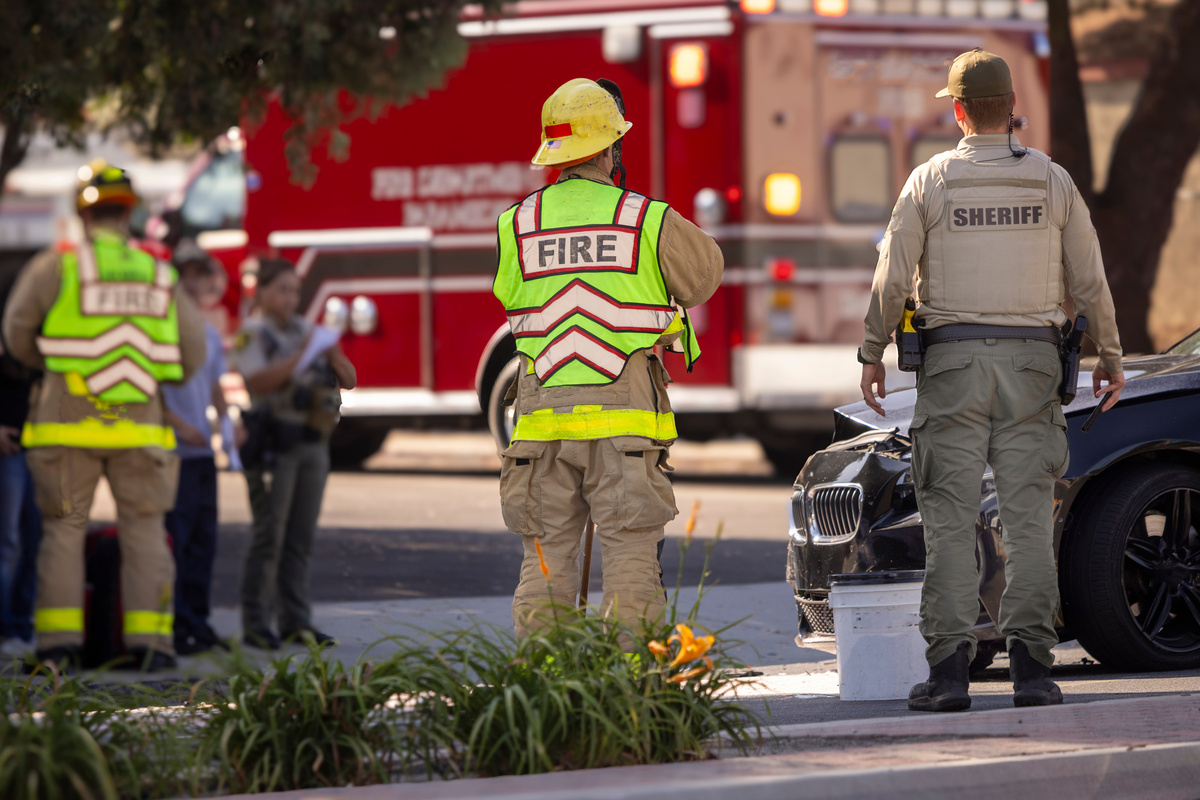
Every shift that firefighters, police officers, and paramedics report for duty, they accept risks that most workers will never face. In Colorado, the law recognizes this reality by extending special legal protections to first responders who were injured or made ill as a direct result of their service, providing avenues to compensation that go well beyond what standard workers’ compensation offers.
At Mintz Law Firm, we have spent decades fighting for injured workers across Colorado, including those whose injuries arise from the most hazardous working conditions imaginable. Our team of 12 attorneys brings over 300 years of combined experience to every case, and we have recovered more than $20 million annually for clients since 2016. Our workers’ compensation attorneys are ready to stand by your side every step of the way.
What Makes First Responder Injuries Different?
Most workplace injuries are relatively straightforward. Something happens on the job, and workers’ compensation covers the resulting medical bills and lost wages. For firefighters, police officers, and emergency medical personnel, the situation is much more complex.
These workers are regularly exposed to smoke, toxic chemicals, and traumatic events that accumulate over time into serious health conditions. According to research from the National Fire Protection Association, occupational diseases and overexertion account for a significant share of firefighter fatalities each year, often reflecting years of cumulative exposure rather than just a single incident.
Standard workers’ compensation requires an injured worker to prove that a specific event in the workplace caused a specific injury. This framework can leave first responders without recourse when a cancer diagnosis or heart condition develops years after repeated exposures. Colorado has addressed this gap through several layers of statutory protection designed specifically for public safety workers.
Colorado’s Presumptive Disability Laws
Colorado law provides what are known as “presumptive” protections for firefighters and certain other first responders. Under these statutes, specific conditions are presumed to be work-related without requiring the worker to prove the exact cause, effectively shifting the burden of proof to the employer or insurer.
Heart and Lung Presumptions
Colorado’s heart and lung presumption laws establish that cardiovascular disease and pulmonary conditions suffered by firefighters are presumed to have arisen from their employment. A firefighter who develops a chronic respiratory condition does not need to pinpoint exactly which fire or chemical exposure caused it. The employer bears the burden of demonstrating that the condition came from something else.
Cancer Presumptions
In 2021, Colorado significantly expanded protections for firefighters diagnosed with cancer. Under Senate Bill 21-241, firefighters who develop certain cancers, including cancers of the bladder, blood, digestive system, and brain, are presumed to have developed those conditions as a result of their firefighting duties. Our occupational disease attorneys regularly help first responders navigate these kinds of claims.
Understanding the Fireman’s Rule and Its Limits
Colorado also maintains what is known as the Fireman’s Rule, a doctrine that historically limited the ability of firefighters and police officers to sue property owners whose negligence created the dangerous conditions they were called to address. The reasoning was that first responders are paid and trained to face such risks, making it fundamentally unfair to hold a negligent party liable for foreseeable hazards of the job.
However, the Fireman’s Rule has important exceptions. If a property owner’s conduct crossed from ordinary negligence into willful or wanton behavior, or if the hazard was one the first responder had no reason to anticipate, a civil claim may still be viable.
Filing a Claim as a First Responder
The process for first responders who are filing a workers’ compensation claim follows many of the same procedural steps as any other case, but the stakes of getting it right are even higher. Insurers often challenge presumptive disease claims, arguing that lifestyle or environmental factors caused the condition. There are several important considerations to keep in mind, including:
- Timely reporting: Colorado requires that work-related injuries and illnesses be reported promptly, and delays can jeopardize a claim.
- Medical documentation: Thorough records of diagnoses, treatment history, and exposure history are critical to establishing validity.
- Challenging denials: Accepted claims may cover medical treatment, temporary and permanent disability payments, and vocational rehabilitation.
Working with an attorney who understands these claims makes a big difference in outcomes. Our workers’ compensation practice is built around fighting for injured workers when insurers try to minimize or deny legitimate claims.
Contact Mintz Law Firm to Protect Your Rights
If you are a firefighter, police officer, paramedic, or other first responder in Colorado dealing with a work-related injury or illness, the legal protections available to you are real, and so are the challenges involved in claiming them. Attorney Eric C. Staton and the entire team at Mintz Law Firm bring more than 15 years of focused experience helping injured workers across Colorado pursue the benefits they have earned through a lifetime of dedicated service.
You devote yourself to protecting others, and we commit ourselves to protecting you. Since we work on a contingency fee basis, there are no fees unless we win your case. Contact us today to schedule your free, zero-obligation consultation.