
What Should I Know About Injury Liability When Renting Recreational Equipment in Colorado?
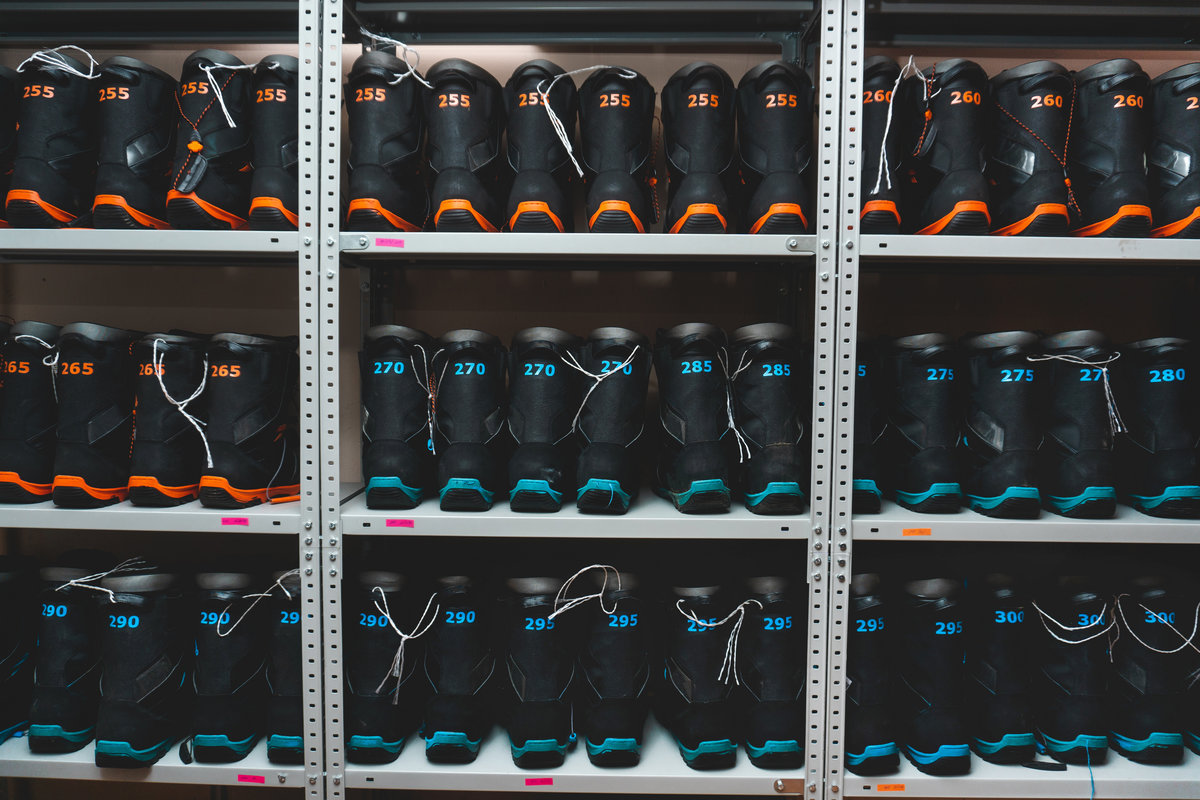
Colorado’s mountains, rivers, and trails draw millions of visitors every year, and most of them would not arrive with their own gear. Renting a pair of skis, a kayak, a snowmobile, or an e-bike has become second nature for adventure seekers across the state, but few people stop to ask who is legally responsible when that rented equipment fails, and someone gets hurt. The answer can be more complicated than a signature on a rental waiver makes it appear.
Understanding your rights before an injury occurs, and knowing where to turn after one, is exactly what the legal team at Mintz Law Firm is here to help with. As a Colorado personal injury firm with more than 35 years of experience and over $20 million recovered annually for clients since 2016, we have seen firsthand how equipment rental injuries can devastate families who assumed they had no legal recourse.
Do Rental Waivers Actually Eliminate Your Right to Sue?
One of the most common misconceptions among recreational renters is that signing a waiver permanently and completely surrenders their right to compensation. These liability release forms are standard practice at ski shops, bike rentals, boat outfitters, and adventure tour companies throughout Colorado, but they are not bulletproof.
Colorado courts have consistently held that waivers cannot protect a business from liability for its own gross negligence or willful misconduct. If a rental shop knowingly sent out equipment with a defective binding, a cracked frame, or a malfunctioning safety mechanism, a signed waiver may not shield them from a lawsuit. The distinction between ordinary negligence and gross negligence is a legal determination, and cases involving liability for injuries from faulty ski equipment demonstrate that Colorado courts take this distinction seriously.
When Is the Rental Business Liable for Your Injury?
A recreational equipment rental business owes its customers a duty of care. That means the equipment it provides must be properly maintained, correctly sized, and reasonably safe for its intended use. When a business falls short of that standard, it may be held liable for injuries that result.
Equipment Maintenance and Inspection Failures
Rental companies are expected to inspect their inventory regularly and remove damaged or worn items from circulation. A helmet with a compromised shell, a kayak with structural cracks, or a snowmobile with faulty brakes are examples of conditions that, if undiscovered due to inadequate inspection, can support a negligence claim against the rental operator. The question in these cases is whether the business acted as a reasonably prudent operator would have in the same circumstances.
Improper Fitting or Inadequate Instruction
Beyond the physical condition of the equipment, rental operators also have a responsibility to fit gear appropriately and provide basic usage instruction. Ski boots adjusted incorrectly, a life jacket sized too large, or an e-bike delivered without any explanation of its power settings can all contribute to preventable accidents. When an injury flows directly from a failure in this fitting or instruction process, the rental business may bear significant legal responsibility. This closely mirrors the principles behind liability when a rented tool causes injury, where the same duty-of-care framework applies.
The Role of Assumption of Risk in Colorado Rental Injuries
Colorado recognizes the doctrine of assumption of risk, which holds that participants in inherently dangerous recreational activities voluntarily accept certain known hazards. This doctrine is frequently invoked by rental companies and their insurers to limit or deny claims after an accident.
However, assumption of risk does not mean a renter accepts the risk of a business’s negligence. Voluntarily engaging in snowmobiling, skiing, or whitewater kayaking means accepting the natural risks of those activities, not the risk that a shop failed to maintain its gear. Understanding how the assumption of risk operates in Colorado personal injury cases is critical to evaluating whether a rental injury claim has merit, and an experienced attorney can help separate the inherent risks of a sport from the avoidable risks created by a negligent business.
What Steps Should You Take After a Rental Equipment Injury?
If you are injured while using rented recreational equipment, the steps you take immediately afterward can significantly affect your ability to recover compensation. Seek medical attention right away, even if the injury seems minor, and preserve all documentation of your treatment. Keep your rental agreement, any receipts, and any written communications with the rental company.
Photograph the equipment as soon as it is safe to do so, particularly any area where you believe a defect contributed to your injury. Report the incident to the rental operator and ask for a written acknowledgment. If witnesses were present, get their contact information before leaving the scene. Colorado visitors injured while vacationing in the state have legal rights under Colorado law, and understanding your rights as a visitor injured in Colorado is an important first step toward building a strong claim.
Let Mintz Law Firm Help You Understand Your Options
Rental equipment injuries are rarely simple. They involve overlapping questions of product liability, premises liability, assumption of risk, and contractual waivers, all of which require careful legal analysis before conclusions can be drawn. Insurance companies representing rental operators move quickly to close claims, often before injured victims have had time to fully understand the extent of their losses.
The attorneys at Mintz Law Firm are committed to helping injured Coloradans and visitors navigate these complexities with the full weight of our firm behind them. We work on a contingency fee basis, meaning there are no fees unless we win your case. To discuss your rental equipment injury with our team, reach out through our free consultation today.