
River Rafting Injuries in Colorado: Understanding Waiver Limitations
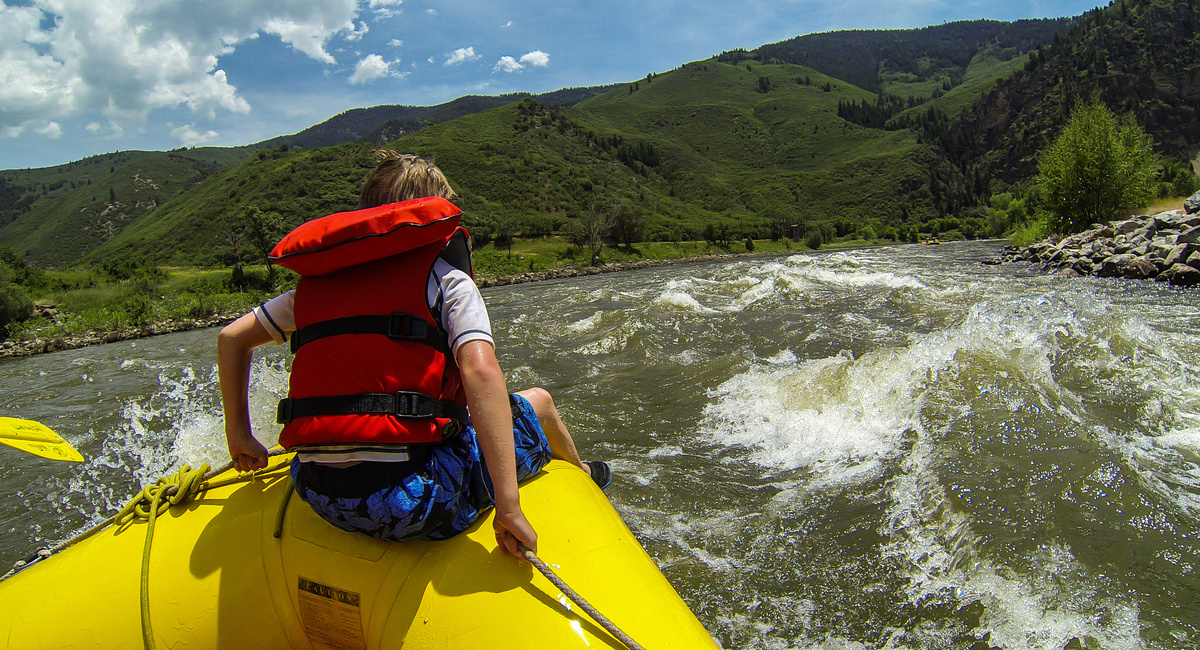
Colorado’s rivers draw hundreds of thousands of thrill-seekers every year, from families floating gentle Class II rapids near Buena Vista to experienced paddlers tackling the roaring whitewater of Browns Canyon and the Royal Gorge. The adrenaline is part of the appeal, but so is the risk. When a rafting trip ends in serious injury, many victims assume the liability waiver they signed before launching has permanently closed the door on any legal recourse they might have. That assumption is often wrong, and understanding why could make a critical difference for your recovery.
Colorado law recognizes that personal injury claims can arise even when a participant has signed a release, and the attorneys at Mintz Law Firm have helped injured Coloradans navigate the fine print for decades. Founder David J. Mintz has represented injured people throughout Colorado for more than 35 years, and managing attorney Eric C. Staton brings over 15 years of experience to cases involving recreational injuries and negligent conduct. Our team understands that a piece of paper does not automatically shield a negligent outfitter from accountability.
What Waivers Can and Cannot Do in Colorado
Liability waivers are standard practice in the river rafting industry. Before you board a raft, most outfitters require you to sign a document releasing the company from responsibility for any injuries that occur on the water. Colorado courts generally enforce these agreements, provided they are clear and unambiguous. However, enforceability has real limits, and courts apply careful scrutiny when serious harm is at stake.
Colorado law has made it clear that waivers in recreational settings can be valid, but they cannot protect against gross negligence or willful and wanton conduct. If a company cuts corners on equipment maintenance, ignores known hazards, provides inadequate safety briefings, or sends inexperienced guides onto dangerous water, those actions may cross the threshold into conduct that no waiver can excuse. Exploring what Colorado law says about signing a liability waiver and whether it can be challenged is a vital first step after an injury.
Common Causes of Operator Negligence
Whitewater rafting carries inherent risks, and a valid waiver can shield an operator from liability for those natural dangers. What waivers cannot do is protect a company from its own carelessness. According to U.S. Coast Guard recreational boating accident data, drowning consistently ranks among the leading causes of fatalities in paddle sport incidents, and many of those deaths involve the absence of a life jacket or inadequate safety protocols.
The following are common sources of operator negligence in rafting accidents:
- Defective or improperly maintained equipment, including worn rafts, ill-fitting personal flotation devices, and broken helmets
- Guides with insufficient training or certification for the difficulty of the water they are leading guests through
- Failure to warn guests about known hazards on the route, such as strainers or rapidly changing water levels
- Proceeding on the water during unsafe flow conditions or despite active weather warnings
When injuries result from any of these failures, the waiver you signed may not provide the protection the outfitter believes it does.
Assumption of Risk and Comparative Negligence
Closely related to waivers is the doctrine of assumption of risk, which holds that participants knowingly accept certain dangers when choosing a hazardous activity. In river rafting, you assume the natural risks of moving water and unexpected obstacles. You do not, however, assume the risk of an operator’s negligence. Understanding how assumption of risk operates in Colorado is essential because outfitters and their insurers will often use this doctrine to deflect responsibility.
Colorado follows a modified comparative negligence system, which means that even if you bear some share of fault, you may still recover damages as long as your percentage of fault does not exceed 50%. This principle opens the door for many injured rafters who might otherwise believe they have no viable claim.
Injuries That Justify a Legal Claim
River rafting accidents can produce serious and lasting harm. Head trauma, spinal injuries, broken bones, lacerations, and near-drowning events are all documented outcomes in Colorado whitewater incidents. Many of these rise to the level of catastrophic injuries that affect a victim’s ability to work and maintain daily life. Victims may be entitled to compensation covering medical expenses, lost wages, rehabilitation costs, and pain and suffering. Some accidents also involve boating accident scenarios where motorized support watercraft contribute to the harm, adding additional layers of liability.
Colorado’s statute of limitations for personal injury claims is generally two years from the date of injury. In the immediate aftermath of an accident, seek medical attention promptly, preserve documentation of conditions at the scene, and gather witness contact information if you are able.
Contact Mintz Law Firm After a Colorado River Rafting Injury
When a river rafting trip ends in serious harm, the liability waiver you signed is not the final word. At Mintz Law Firm, attorney Eric C. Staton and our team bring decades of combined experience and a genuine commitment to recovering full and fair compensation for injured Coloradans. We work on a contingency fee basis, meaning you pay nothing unless we win your case.
If you or someone you love was injured on Colorado’s rivers, do not let the fine print in a waiver keep you from exploring your rights. Contact our firm to schedule a free consultation and learn how we can help you move forward.